National SCP Context
China’s 14th Five-Year Plan for National Economic and Social Development (2021–2025) highlights the promotion of a circular economy[1], aiming to enhance resource efficiency, reduce waste, and foster green, low-carbon development.[2]Building on this, the 15th Five-Year Plan (2026–2030) is expected to continue strengthening circular economy practices and sustainable resource management.[3] Key legal and policy frameworks supporting this include the Circular Economy Promotion Law (2008, amended 2018)[4], the Law on the Prevention and Control of Environmental Pollution by Solid Waste (2020 revision)[5], and the Guiding Opinions of the State Council on Accelerating the Establishment of a Sound Economic System with Green, Low-Carbon, and Circular Development (2021)[6], which collectively strengthen lifecycle responsibility, circular resource use, and sustainable waste management. In addition, China has operationalised Green Public Procurement (GPP) through its Environmental Labelling Product List (ELP) and Energy Conservation Product List (ECL), which guide government bodies in preferring eco-labelled and energy-efficient products.[7]
Connection to the Global Agenda
China contributes to the 2030 Agenda and the Paris Agreement through its national development frameworks and policy instruments. The country has presented Voluntary National Reviews (VNRs) at the UN High-Level Political Forum in 2016 and 2021[8]. China is also a party to key environmental conventions, including Basel, Stockholm, Rotterdam, and Minamata, which guide national chemical, hazardous waste, and environmental management. At the national level, the National Development and Reform Commission (NDRC) is responsible for coordinating the implementation of Agenda 2030. The NDRC has issued the National Plan on Implementation of the 2030 Agenda for Sustainable Development, outlining strategies for integrating the SDGs into China's development plans and policies[9].
A key solution to Climate Change
China is committed to low-carbon development and climate resilience, integrating climate action into national planning. Its updated Nationally Determined Contribution (NDC) targets a 65% reduction in carbon intensity by 2030 compared to 2005 levels, with a peak in carbon dioxide emissions before 2030 and carbon neutrality by 2060.[10] The NDC covers key sectors, including energy, industry, buildings, and transportation, and is guided by a comprehensive “1+N” policy framework[11] that provides an implementation roadmap and sectoral action plans. These include measures for a green and low-carbon energy transition, emission peaking in the industrial and construction sectors, the promotion of green and low-carbon transportation, and the advancement of a circular economy. China has also adopted the National Climate Change Adaptation Strategy 2035[12], which outlines medium- and long-term strategies to address climate vulnerabilities and enhance resilience across various sectors.
Priority sectors for Sustainable Consumption and Production
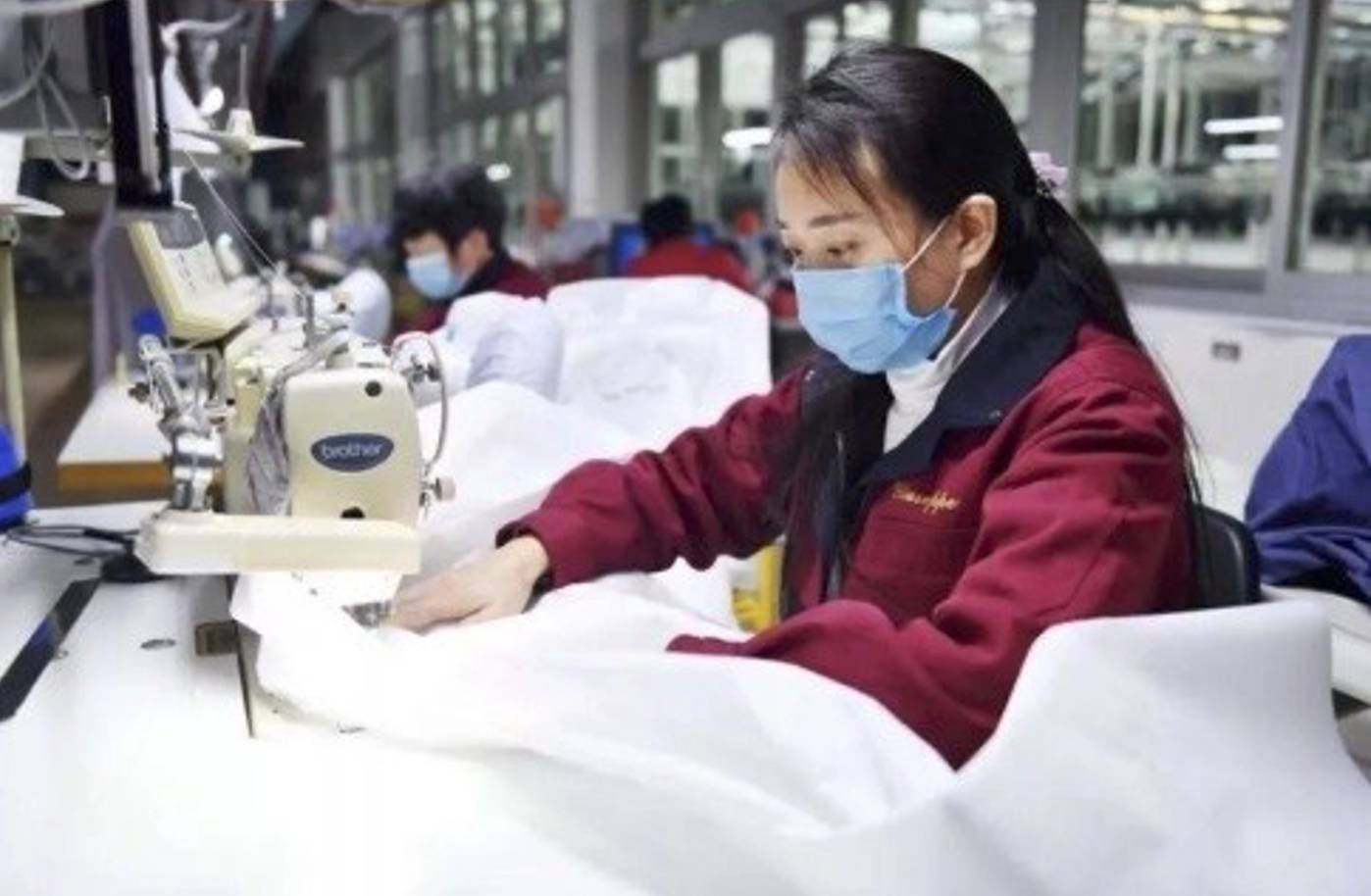
- Promoting resource efficiency and circular economy practices in key sectors, including textiles, by reducing material footprints and improving eco-efficiency.[13]
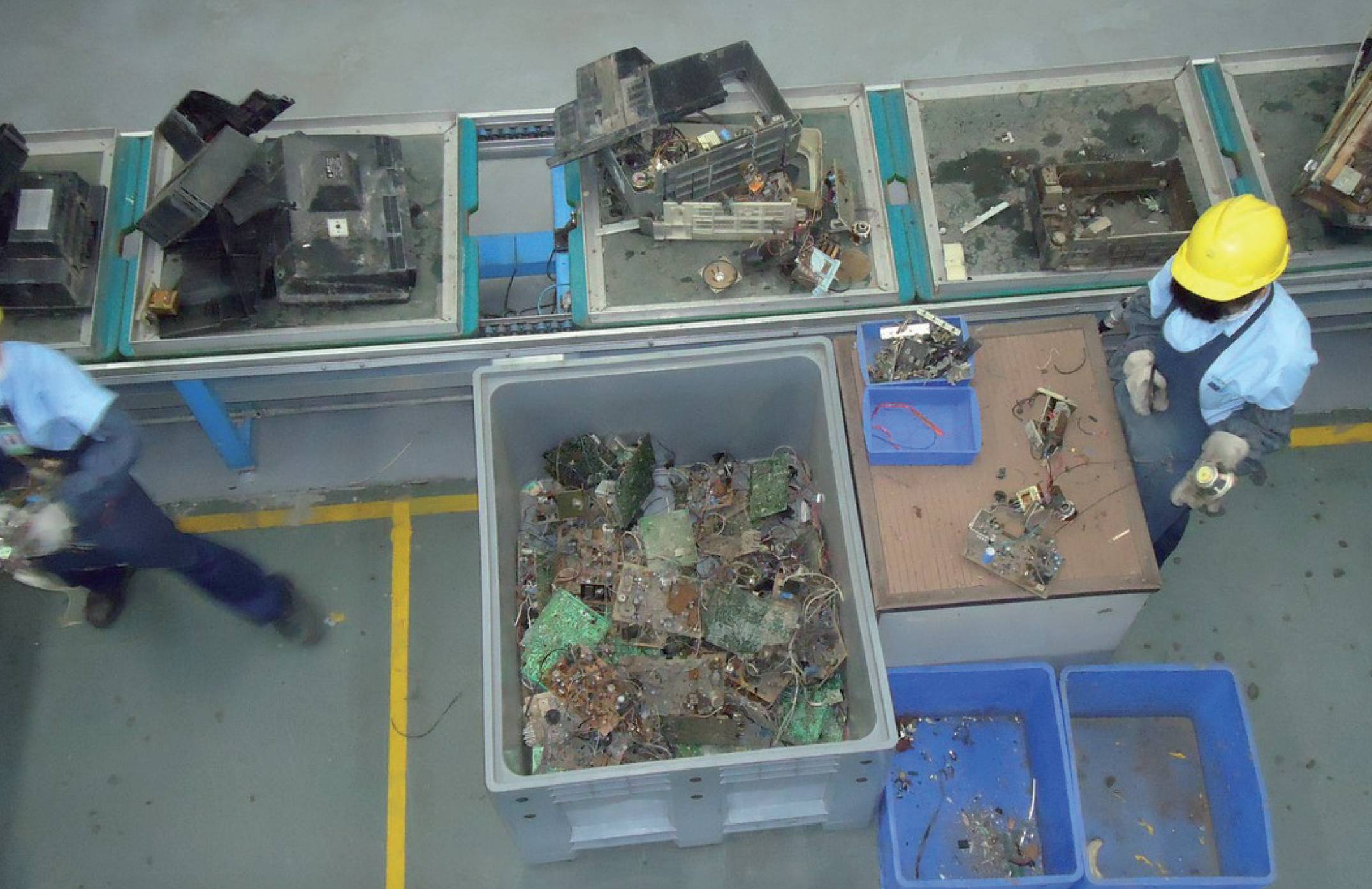
- Strengthening hazardous waste management through expanded treatment, stricter oversight, and formalized e-waste handling, reinforced by Extended Producer Responsibility (EPR) schemes promoting lifecycle accountability.2
- Promoting sustainable industrial production through green technologies, cleaner processes, and eco-friendly innovation.2
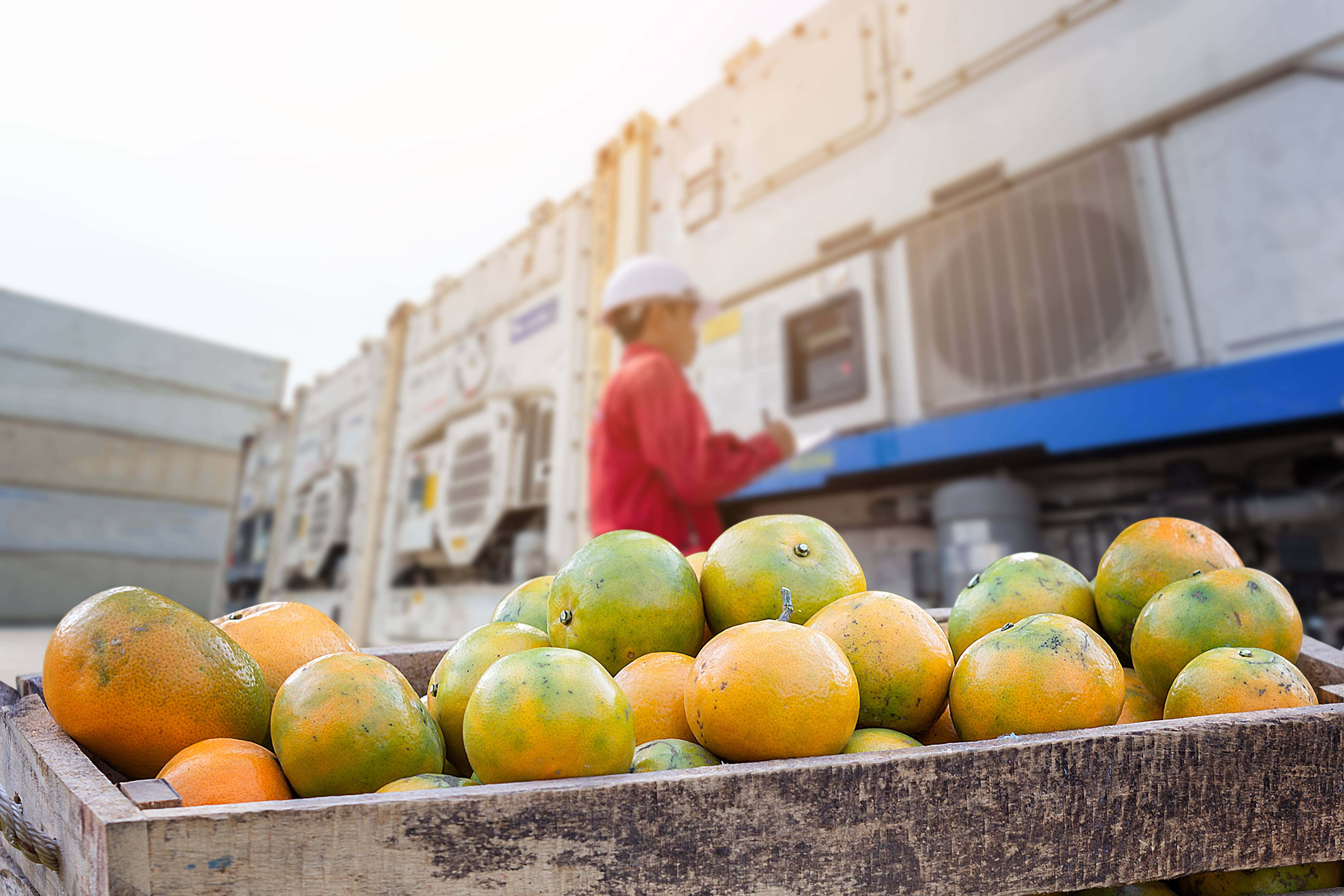
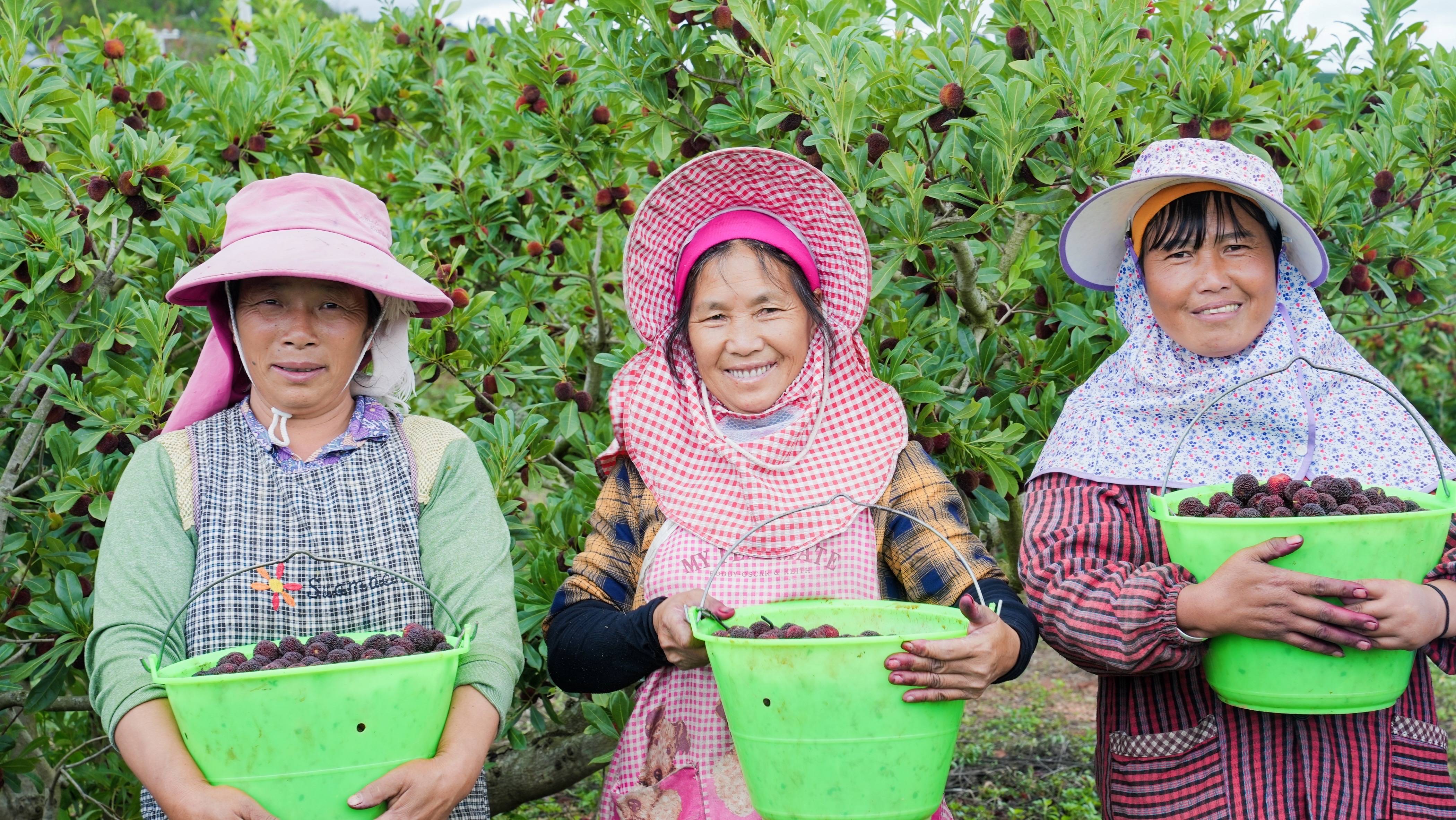
- Reducing food waste and promoting sustainable agriculture through prevention, redistribution, and low-carbon, environmentally friendly farming practices.2
- Strengthening sustainable consumption through Green Public Procurement (GPP), leveraging government demand to drive markets for eco-labelled and energy-efficient products.7
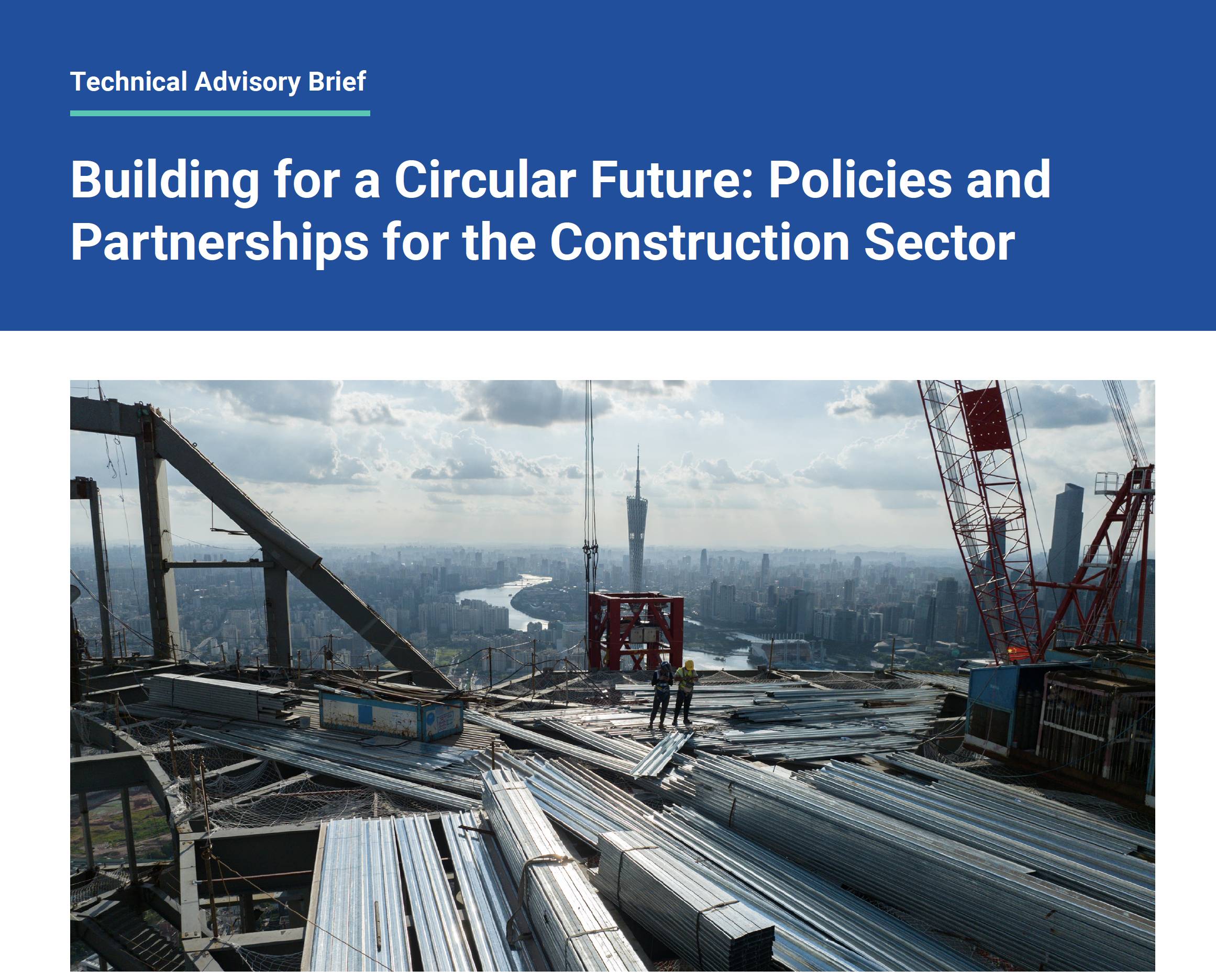
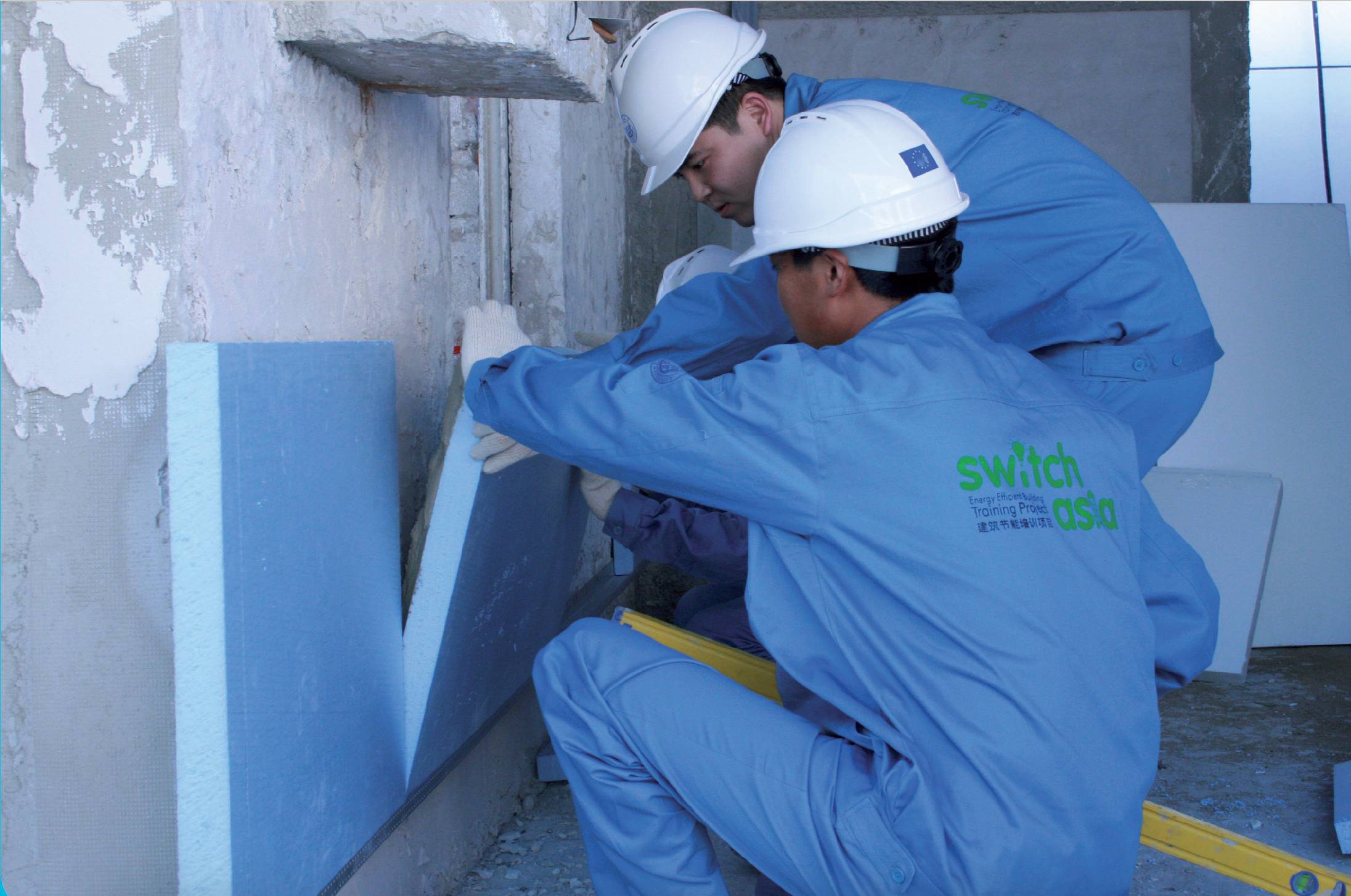
- Advancing sustainable and circular construction through green building materials, modular design, and digital technologies to enhance resource efficiency and reduce lifecycle emissions.
[1] National Development and Reform Commission of China. (2021). 14th Five-Year Plan for Circular Economy Development
[2] Etcetera Language Group. (2021). Outline of the People's Republic of China 14th Five-Year Plan for National Economic and Social Development and Long-Range Objectives for 2035 (English Version)
[3] The Government of China. (2023). China's top economic planner begins preliminary study of 15th Five-Year Plan
[4] Food and Agriculture Organization. (2018). Circular Economy Promotion Law of the People's Republic of China (2018 Revision)
[5] Standing Committee of the National People's Congress. (2020). Law of the People's Republic of China on the Prevention and Control of Environment Pollution Caused by Solid Wastes (2020 Revision)
[6] Standing Committee of the National People's Congress. (2021). Guiding Opinions of the State Council on Accelerating the Establishment of a Sound Economic System with Green, Low-carbon and Circular Development
[7] SWITCH-Asia Programme. (2024). Asian Experiences in Sustainable/Green Public Procurement: China, Lao PDR, Malaysia, Thailand, Vietnam
[8] Ministry of Foreign Affairs of the People's Republic of China. (2021). China's VNR Report on Implementation of the 2030 Agenda for Sustainable Development
[9] The Government of China. (2016). China's National Plan on Implementation of the 2030 Agenda for Sustainable Development
[10] The Government of China. (2022). China’s Achievements, New Goals and New Measures for Nationally Determined Contributions (Unofficial translation)
[11] UNDP. (2023). China's climate policy documents: 1+N and updated NDC
[12] The Government of China. (2022). National Climate Change Adaptation Strategy 2035
[13] ICLEI - Local Governments for Sustainability. (2024). EU-CHINA Benchmark Baseline Study: Transition to Circular Economy in Textile & Apparel MSMEs along the Lifecycle in Huzhou & Shaoxing
A look back at milestones that shaped our work
2018
SCP Facility
- Preliminary assessment of SCP related policies, activities, needs/gaps, and opportunities.
Regional Policy Advocacy Component (RPAC)
Facilitated the participation of Chinese key-stakeholders in the following regional/ sub-regional activities:
- Asia Pacific Low Carbon Lifestyles Challenge (19-22 Mar 2018), hosted by Thailand, regional level
- Transforming Asia Pacific: Innovative Solutions, Circular Economy and Low Carbon Lifestyles (17-19 Sep 2018), hosted by Thailand, regional level
- Asian Circular Economy Leadership Academy (3-8 Dec 2018), hosted by Thailand, regional level
2019
SCP Facility
- A multi-stakeholder consultation was organised on 28 February 2019.
- Consultations with China Association for Circular Economy are ongoing for follow-up activities.
Regional Policy Advocacy Component (RPAC)
Facilitated the participation of Chinese key-stakeholders in the following national activity:
- National High-Level Policy Dialogue on Sustainable Consumption for Policy Makers and Stakeholders (25 Apr 2019), China, national level
- Initiated a Survey and Analysis Report of the Current Situation of Sustainable Consumption in China
Facilitated the participation of Chinese key-stakeholders in the following regional/ sub-regional activities:
- “Sustainability Reporting – Thinking Circular Economy by Businesses” - This event was organised back-to-back with 2019 Asia Pacific Forum on Sustainable Development (27 Mar 2019), hosted by Thailand, regional level
- Businesses Accelerating Inclusive Green Economies – "Leaving No One Behind” - Side event on the Responsible Business and Human Rights Forum co-organised by the Royal Thai Government, OECD, United Nations Development Programme (UNDP), ESCAP, International Labour Organization (ILO) and with the participation of the UN Working Group on Business and Human Rights (11 Jun 2019), hosted by Thailand, regional level
- 2019 Southeast and Northeast Asia Policy Dialogue and Training on “Harmonizing SPP practices and Measuring SPP benefits” - The activity took place in parallel with a series of events related to green procurement organized by the China Environmental United Certification Center (CEC) (23 - 25 Oct 2019), hosted by China, regional level
- WEBINAR: SDG 12.1 Reporting for SWITCH-Asia Countries – Connecting the dots between actions and reporting (5 Nov 2019), regional level
- Policy Dialogue on SDG12 Reporting (21 Nov 2019), hosted by Vietnam, regional level
- 2019 SWITCH-Asia Leadership Academy on Circular Economy (2-6 Dec 2019), hosted by China, regional level
- "Supporting decision making on SCP through training on Sustainable Procurement” - This event was organised back-to-back with International Conference on Sustainable Energy and Green Technology 2019 (11 Dec 2019), hosted by Thailand, regional level
2020
Regional Policy Advocacy Component (RPAC)
- Provided technical support to China to mainstream sustainable consumption into national development plan through a report on ‘Analysis of the Current Situation on Sustainable Consumption in China’ developed by RPAC, the key policy recommendations of which have been integrated into the policy report from China Council for International Cooperation on Environment and Development (CCICED) supporting the pathway to China’s high-quality development during the 14th Five-Year Plan period.
Facilitated the participation of Chinese key-stakeholders in the following national activity:
- Support the respective governments in the elaboration of the documentation needed to report on SDG 12.
Facilitated the participation of Chinese key-stakeholders in the following regional/sub-regional activities:
- SWITCH2Green Meeting - RPAC initiated the discussion and shared the first report in 2020. (April 2020)
- MOVING THE NEEDLE ON CLIMATE CHANGE – The event was co-organised by the UNESCAP as a part of the 2020 Virtual United Nations Responsible Business and Human Right Forum (RBHRF) (10 Jun 2020), regional level
- WORLD ENVIRONMENT DAY 2020 – A media kit was provided to call for action to promote SCP as a part of the 2020 World Environment Day (WED) celebration (5-7 Jun 2020), regional level
- Intervention in regional forum: Webinar on Sustainable Lifestyles for Plastics & Packaging Waste Management During a Pandemic COVID-19 (6 Aug 2020), regional level
- SCP in Tourism: Opportunities and Challenges with COVID-19 (8 Oct 2020), regional level
- Innovation and Connectivity through Farm to Fork (13 Nov 2020), regional level
- Sustainable Lifestyles for SCP (19 Nov 2020), regional level
- Support to Steering Committee of SWITCH-Asia – Provide support for the annual Steering Committee Meeting to review each country proposed 2021 workplan (3 Dec 2020), regional level
- Regional Policy Dialogue on Circular Cities (4 Dec 2020), regional level
- Regional Dialogue Driving Mechanisms for Eco-Design in Asia (9 Dec 2020), regional level
- Leadership Academy on Circular Economy 2020 (14-18 Dec 2020), regional level
- Webinar: Innovations & Startups (16 Dec 2020), regional level
2021
Facilitated the participation of Chinese key-stakeholders in the following national activity:
- National Dialogue on Ecosystem Restoration and Sustainable Food Production and Consumption - The event was proposed as a part of the 2021 World Environment Day (WED) celebration which focused on “Ecosystem restoration” (3 June 2021), China, national level
Facilitated the participation of Chinese key-stakeholders in the following regional/sub-regional activities:
- Contextualising the Circular Economy for Action (4 Feb 2021), regional level
- Technology for Circular Economy: A Prologue to the 2021 SWITCH-Asia Leadership Academy (25 March 2021), regional level
- Circular Economy and Sustainable Lifestyles Course (18 May 2021), regional level