The Challenge
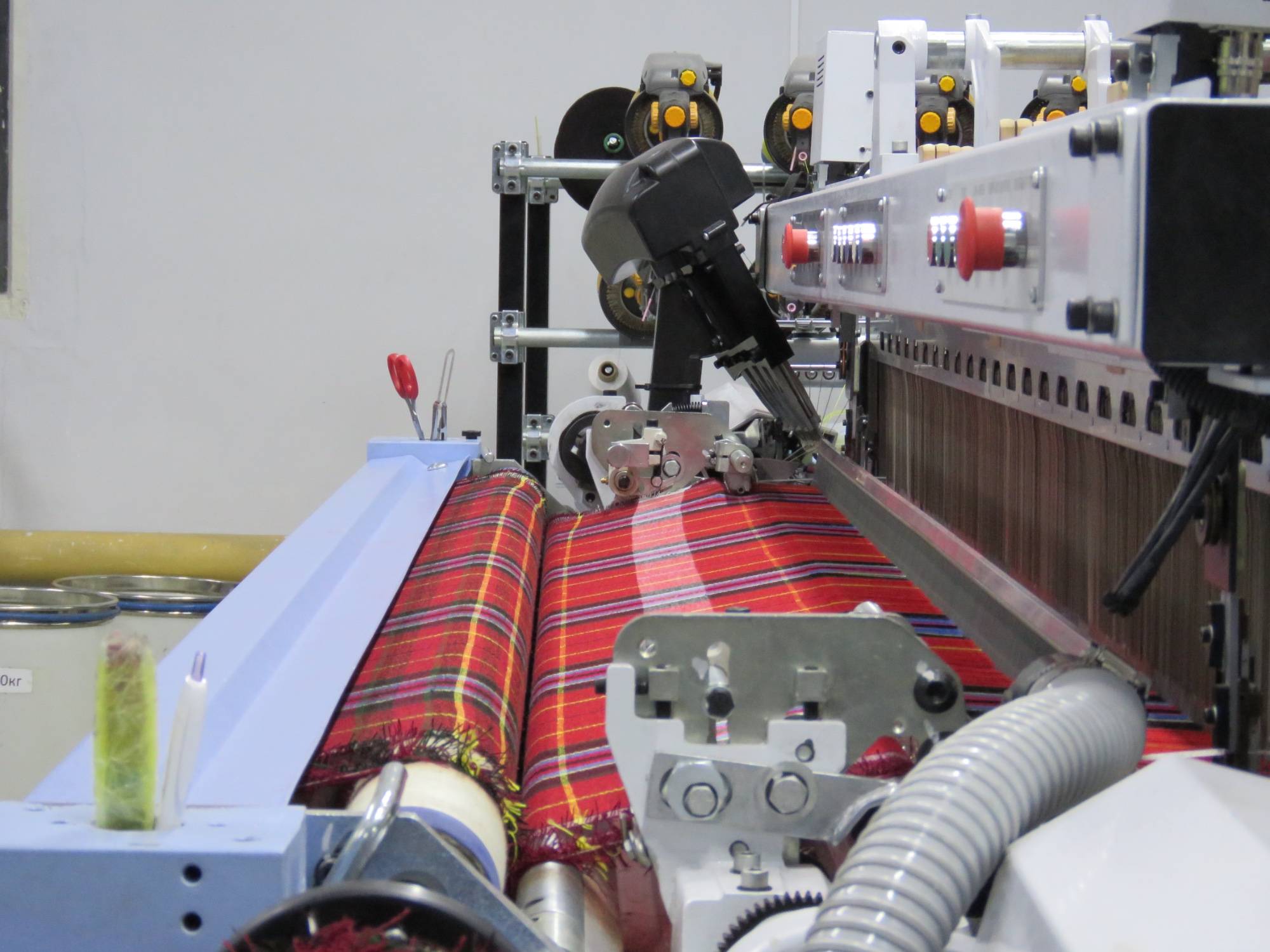
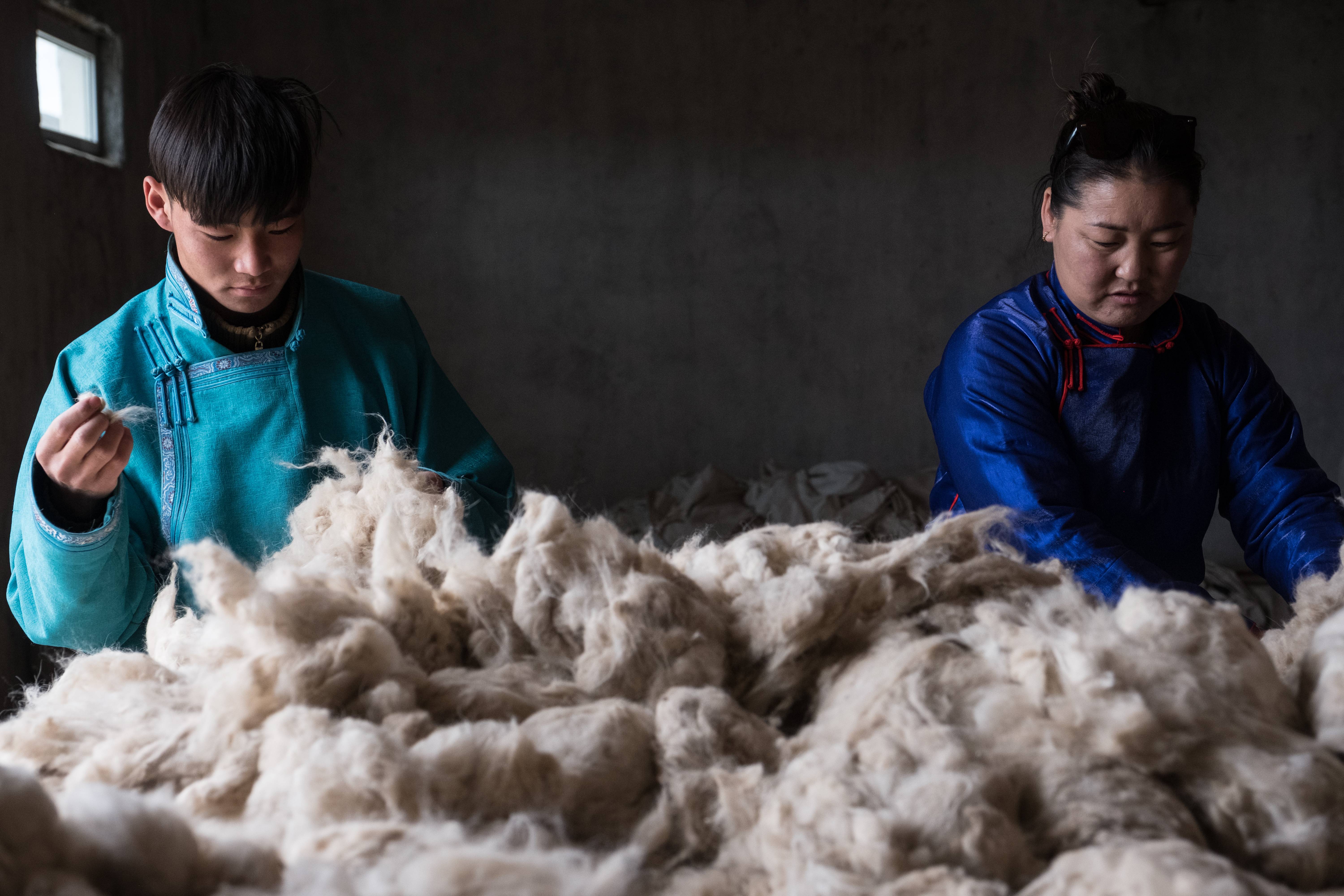
The cashmere sector is the second-largest employer in Mongolia and a crucial driver of the national economy, contributing around 40% of the world’s cashmere fiber. Second only to the extractive industry, it plays a critical role in livelihoods and economic development. However, this success comes with significant challenges. Despite progress in knowledge, awareness, and commitment to sustainable consumption and production (SCP) principles, the Mongolian textile sector still faces major hurdles in scaling up and mainstreaming SCP practices. The sector lacks the capacity to achieve the critical mass necessary for transformative change and international recognition.
Key constraints identified by industry partners include:
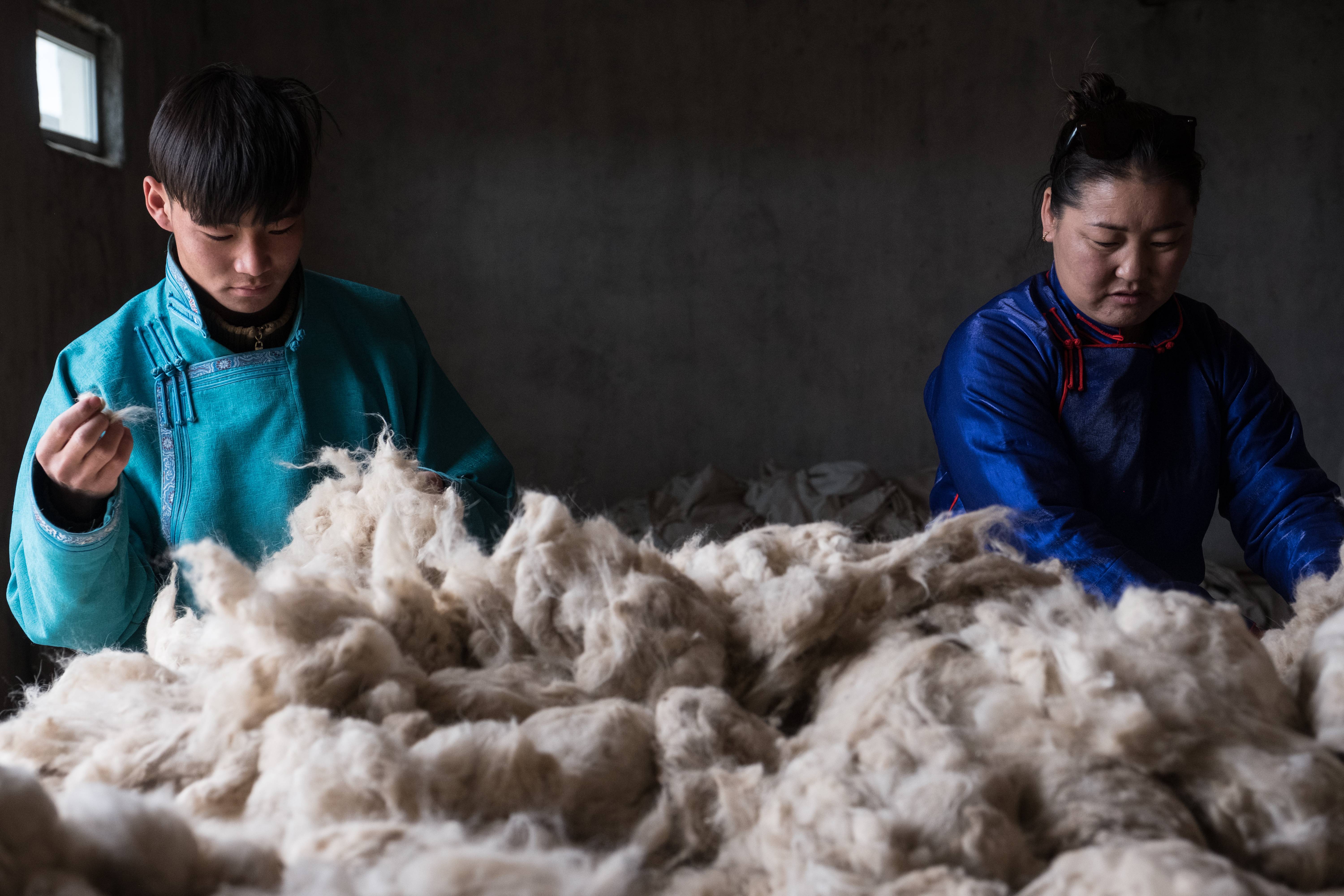
- Limited supply of certified sustainable raw materials – The demand for sustainable cashmere is rising, but supply remains insufficient. Existing sustainability initiatives are poorly integrated into Mongolian processing company supply chains, limiting their impact.
- Weak credibility of sustainable cashmere and fine wool value chains – Strengthening credibility requires improved monitoring mechanisms to assess environmental and social impacts, particularly regarding rangeland conditions and greenhouse gas emissions; a transparent, integrated traceability system that covers all stages of the value chain, essential for commercial viability; the introduction of additional SCP practices at the processing level; adoption of international sustainability standards, verified by third-party certification bodies.
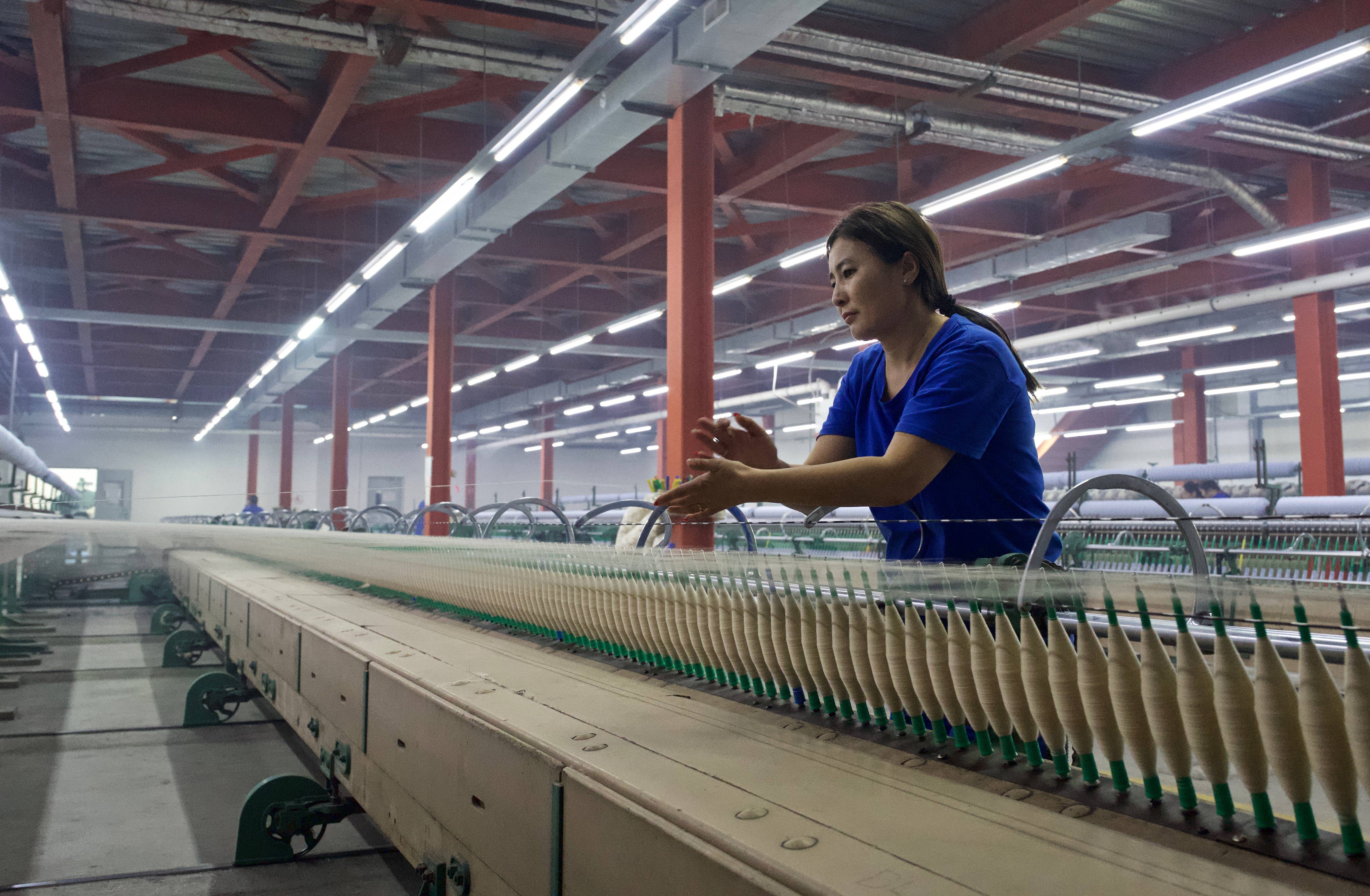
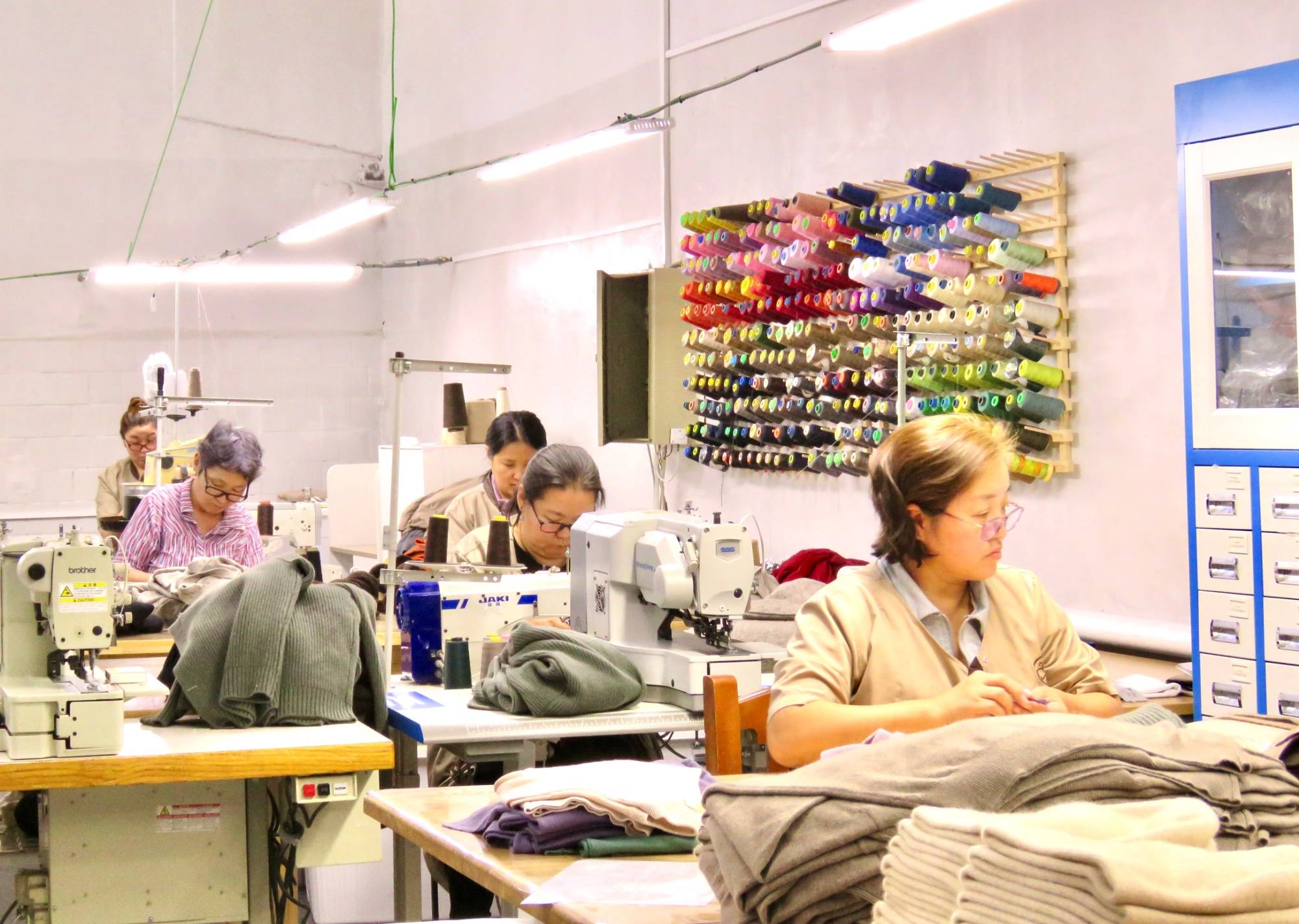
- Limited capacity among processing MSMEs – Small and medium-sized enterprises (SMEs) in the processing sector need enhanced skills and resources to adopt and implement SCP practices effectively.
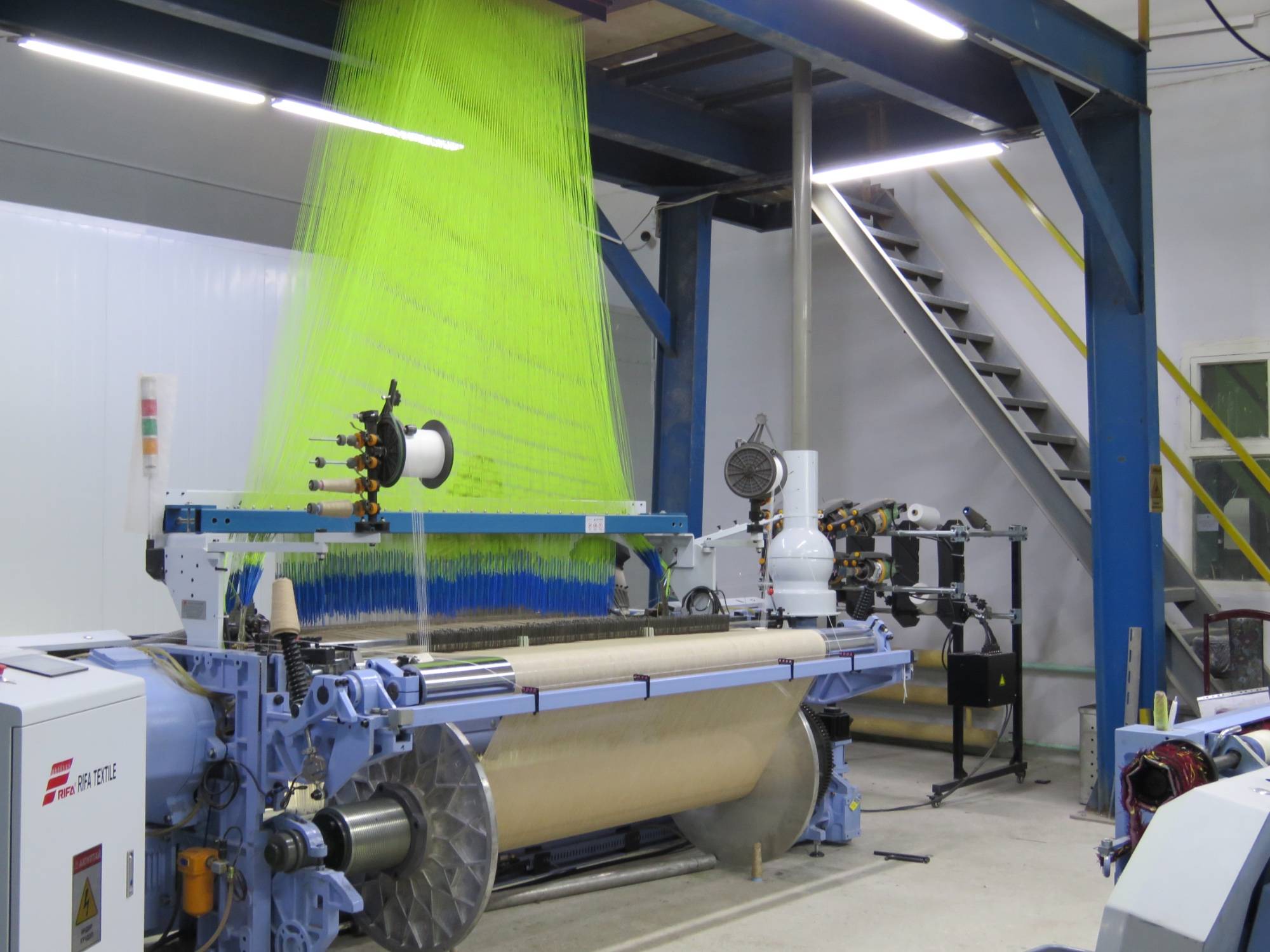
- Restricted access to finance – The lack of affordable financing options for both working capital and investment impedes the procurement of sustainable raw materials, clean technologies, and modern equipment.
- Weak regulatory frameworks and enforcement – Existing policies and regulations do not adequately support or incentivize the adoption of SCP practices, nor do they provide a conducive business environment for sustainability-driven transformation.
Addressing these challenges is essential to ensuring that Mongolia’s cashmere sector remains competitive, environmentally responsible, and aligned with global sustainability standards. By strengthening SCP adoption across the value chain, the sector can secure its long-term viability while enhancing its international reputation.
The Objectives
The project aims at contributing to the transition of Mongolia to a low carbon, resource efficient and circular economy, whilst promoting more sustainable textile value chain, contributing to economic recovery. STeP EcoLab will strive to integrate Mongolian textile MSMEs into global greener value and supply chains by engaging and supporting MSMEs in the replication of sustainable and certified raw material sourcing mechanisms; reinforcing the credibility of ecolabelling schemes; and developing a conducive environment for textile processing sector to switch to sustainable production practices.
The Way Forward
- High-potential Herders Organizations are inclusively supported to adopt rigorous, certified sustainable practices.
- Mongolian textile MSMEs are empowered to implement sustainable consumption and production (SCP) practices, enhance their credibility in global markets, and strengthen their relationships with Herders Organizations.
- Textile MSMEs and Herders Organizations gain access to tailored green finance instruments that meet their specific needs.
- Policymakers adopt regulations promoting SCP in the Mongolian textile sector, while awareness among both national and international consumers is significantly improved.
Relation to European Green Deal, Circular Economy and Climate Change
By promoting an integrated approach encompassing all steps of the value chains and inducing environmentally sound practices as part of the market push-pull mechanism, the project addresses various EU priorities. In terms of environmental impact, the action will contribute to the fight against climate change and desertification through the extension of best practices on sustainability, specifically pasturelands management, decrease of energy and water consumption from wool and cashmere MSMEs and increase of recycling of material and products, circularity and eco-designing. Innovation through the promotion of evolving ecolabelling schemes carried by local CSOs and the strengthening of Responsible Nomads as an internationally recognized ecolabel and digital traceability system, will allow sustainable products to build on solid demonstrated claims and avoid greenwashing. In that regard, MSMEs will also be trained on EU market expectations and will be supported in developing their claims. The action will affect the policy environment, through the advocacy campaigns and recommendations for policy improvements on Inclusive Green Economy to be made and adopted by decision makers. The updated version of 2030 roadmap for sustainable cashmere sector will be inspired by EU regulations for textile sector, including objectives on circularity, recycling, improving products durability & reusability. The action will improve the technical skills of herders, executives of business intermediaries such as financial institutions and herders organizations (HO), textile MSMEs’ engineers, and staff, so they have the capacities to upscale Sustainable Consumption and Production Practices adopted. Notably, workshops will be organized on Green Deal and EU strategy for sustainable and circular textile, Ecodesign for Sustainable Products Regulation, EU Ecolabel for textile products, EU Extended Producers Responsibility for textiles, Digital Product Passport for textiles, CEAP and the implications for Mongolian MSMEs. Furthermore, facilitated access to green finance, both for MSMEs and HOs, will further empower them in choosing their own path towards sustainability. It is expected that MSMEs and HOs are respectively 10% and 5% more successful in obtaining green loans, contributing to achieve the Sustainable Finance Roadmap 2030 objective. On the social side, the action will put a special attention to the integration of women and vulnerable groups, in line with the values enshrined in the EU Gender Action Plan III. Improved livelihoods for herders and rural residents, improved working conditions for wool and cashmere factory workers, notably women, improved environment for city residents and employment creation for women and vulnerable people are to be expected.
Photo credits: Julie Delzescaux (Banner photo) and Regis Defurnaux (Gallery photos)
Duration:
01.2025 - 12.2028Total Budget:
EUR 1.875.000 (EU Contribution 80 %)Contact Detail:
Sarangoo Ukhnaa
Project Manager, Agronomes & Vétérinaires Sans Frontières (AVSF)
Lead Partners
Partners
Gallery