The Challenge
Building on the Prevent Plastics project, Prevent Plastics+ aims to support Myanmar's transition to a low-carbon, resource-efficient, and circular economy by helping micro, small, and medium-sized enterprises (MSMEs) reduce waste, lower greenhouse gas emissions and adopt sustainable practices such as reuse, repair, and improved resource efficiency. The project addresses critical challenges faced by Myanmar's economy, including inadequate waste infrastructure and limited awareness of sustainable practices among businesses and communities. By fostering a circular economy, the initiative not only aims to reduce environmental impacts but also seeks to revitalise sectors that have struggled due to recent socio-political events. By utilising existing informal circular economy practices and providing targeted support, the project supports Myanmar's businesses and communities' transition towards a more sustainable economic model while addressing pressing environmental and socio-economic challenges.
The Objectives
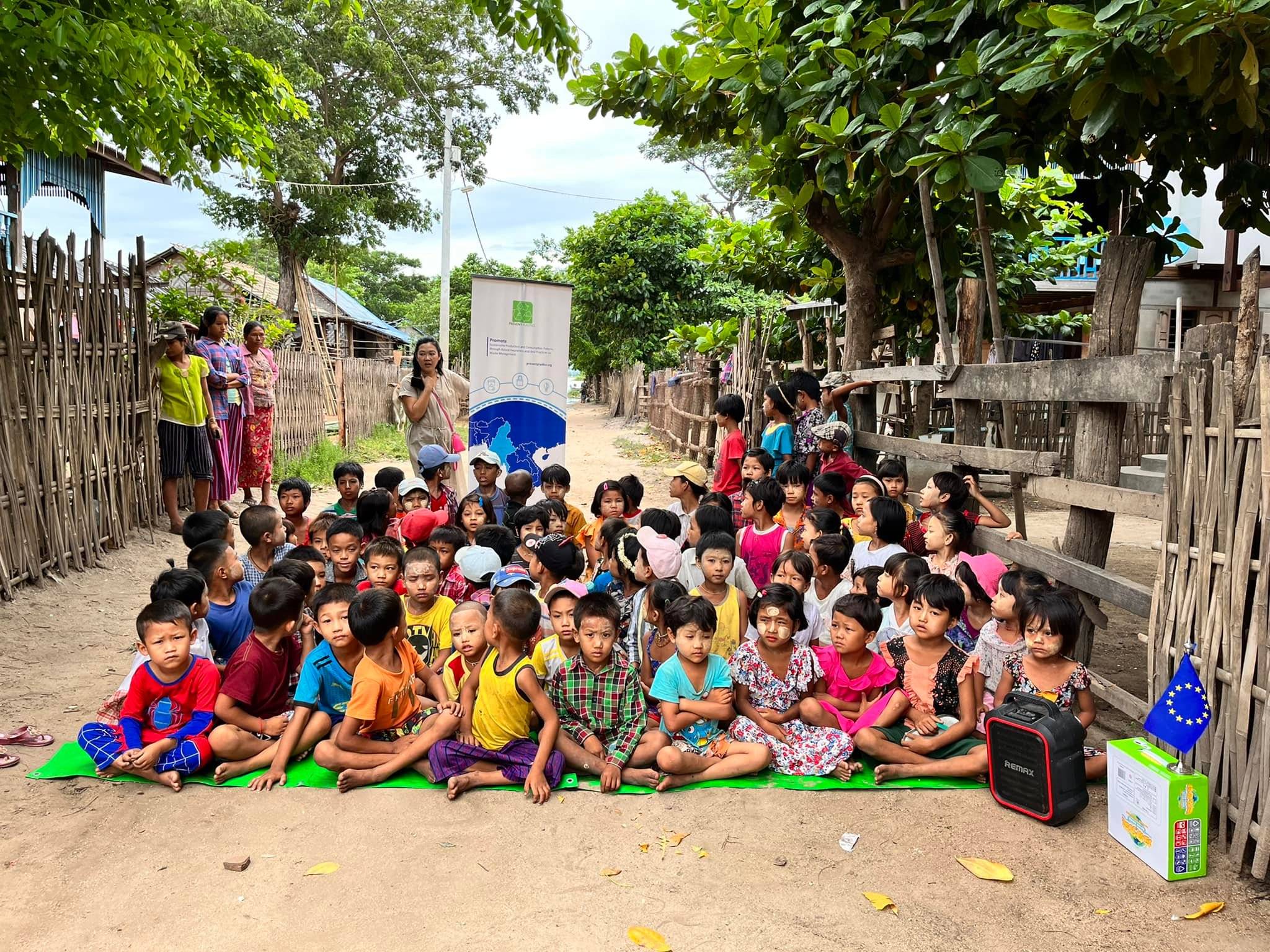
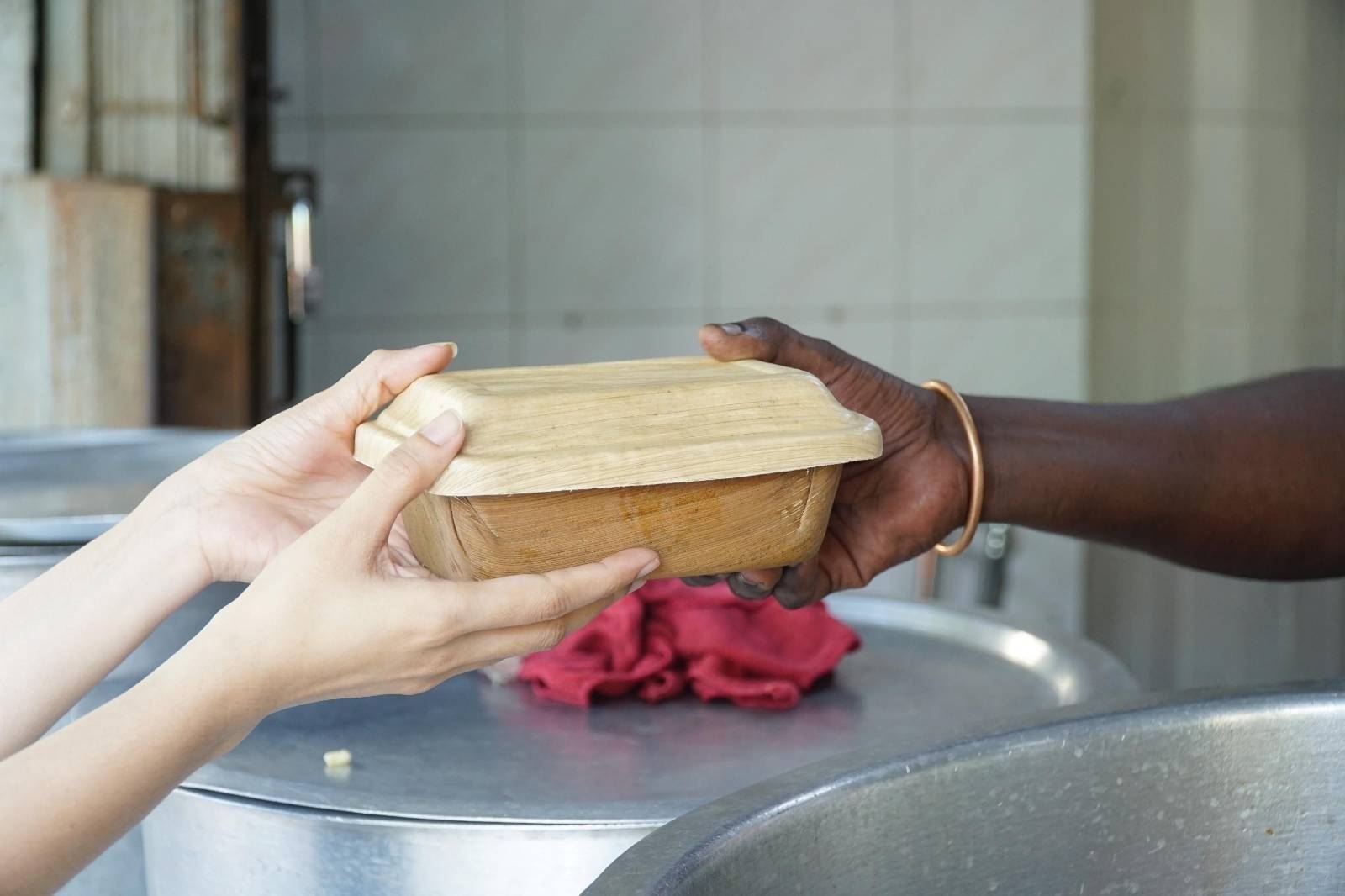
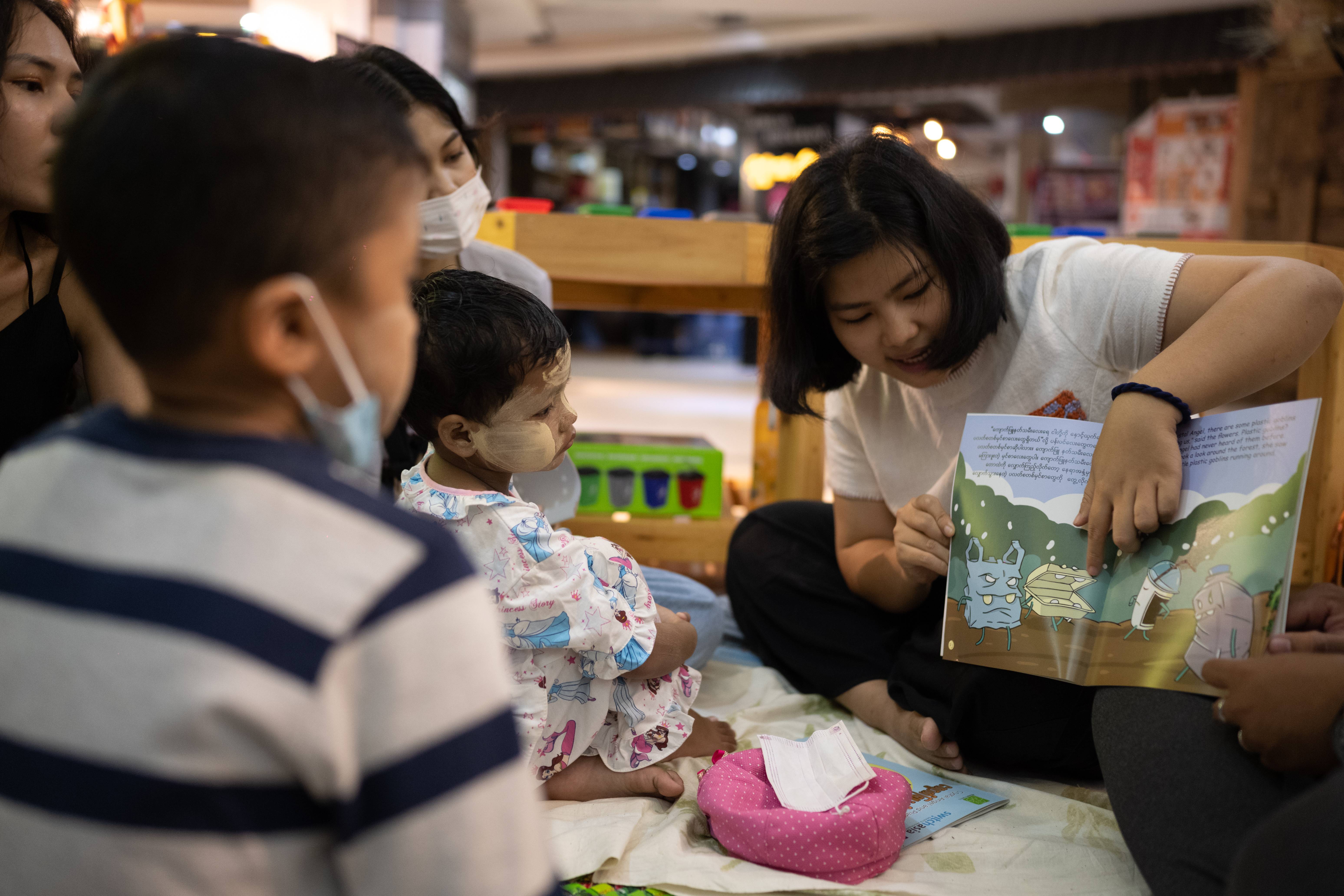
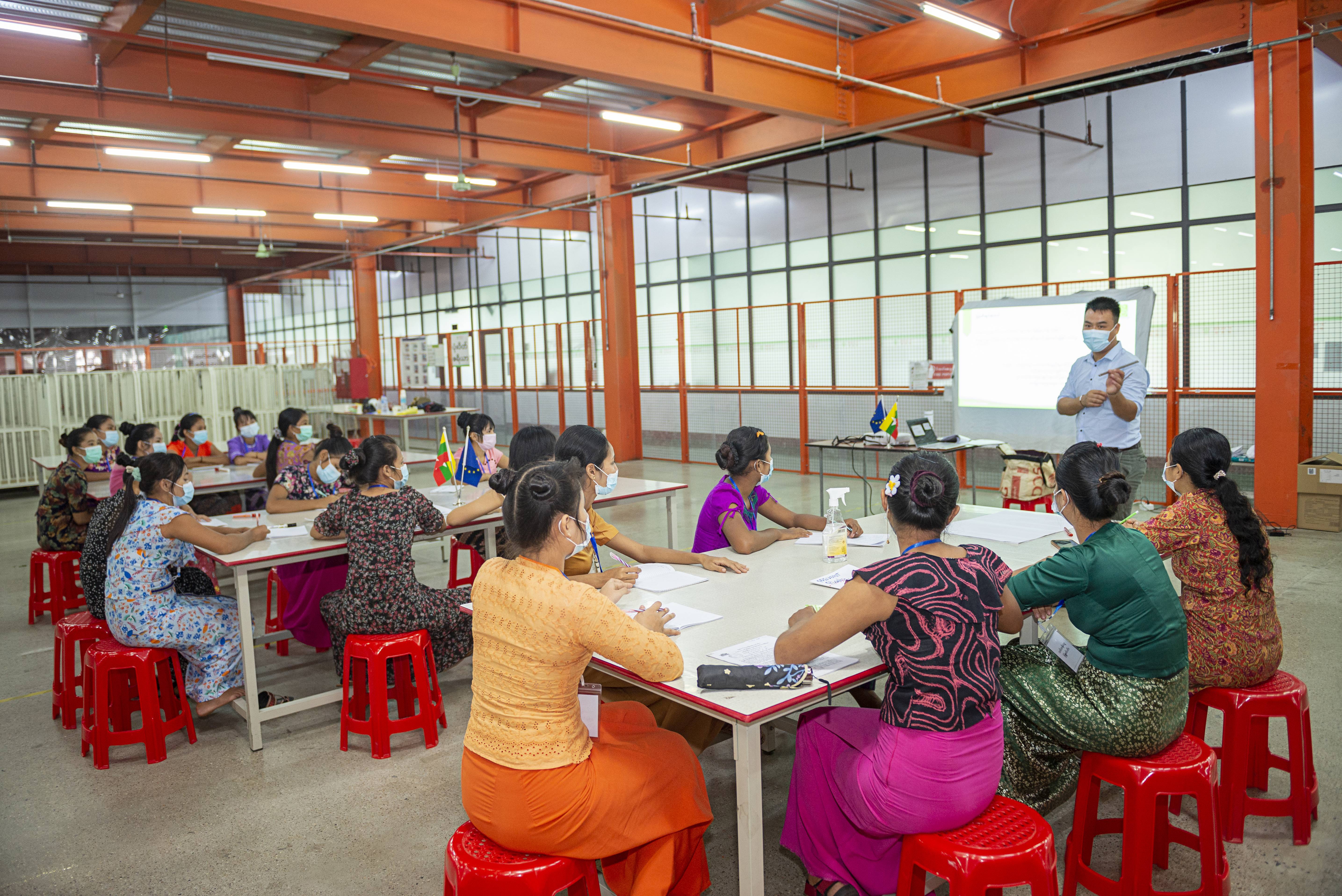
The project focuses on the manufacturing and agri-food sectors, addressing plastic reduction, waste management, and product circularity. Extending product lifespans through reuse and repair, it advocates for reuse models in fast-moving consumer goods (FMCG) and emphasises second-hand goods. It also supports circular start-ups by providing market access, financial knowledge, and guidance to secure funding, while promoting green business cases to investors. In addition to working with businesses, the project lays the groundwork for behaviour change and circular lifestyles by raising consumer awareness about reducing waste and making sustainable choices, including alternative plastics.
The main objective is to support the transition of Myanmar to a low-carbon, resource-efficient and circular economy. The specific objective is to support MSMEs in reducing waste their greenhouse gas emissions, improving resource efficiency and promoting the adoption of circular economy practices.
The Way Forward
- Enhancement of capacity and understanding of green and circular economy principles for 100 MSMEs.
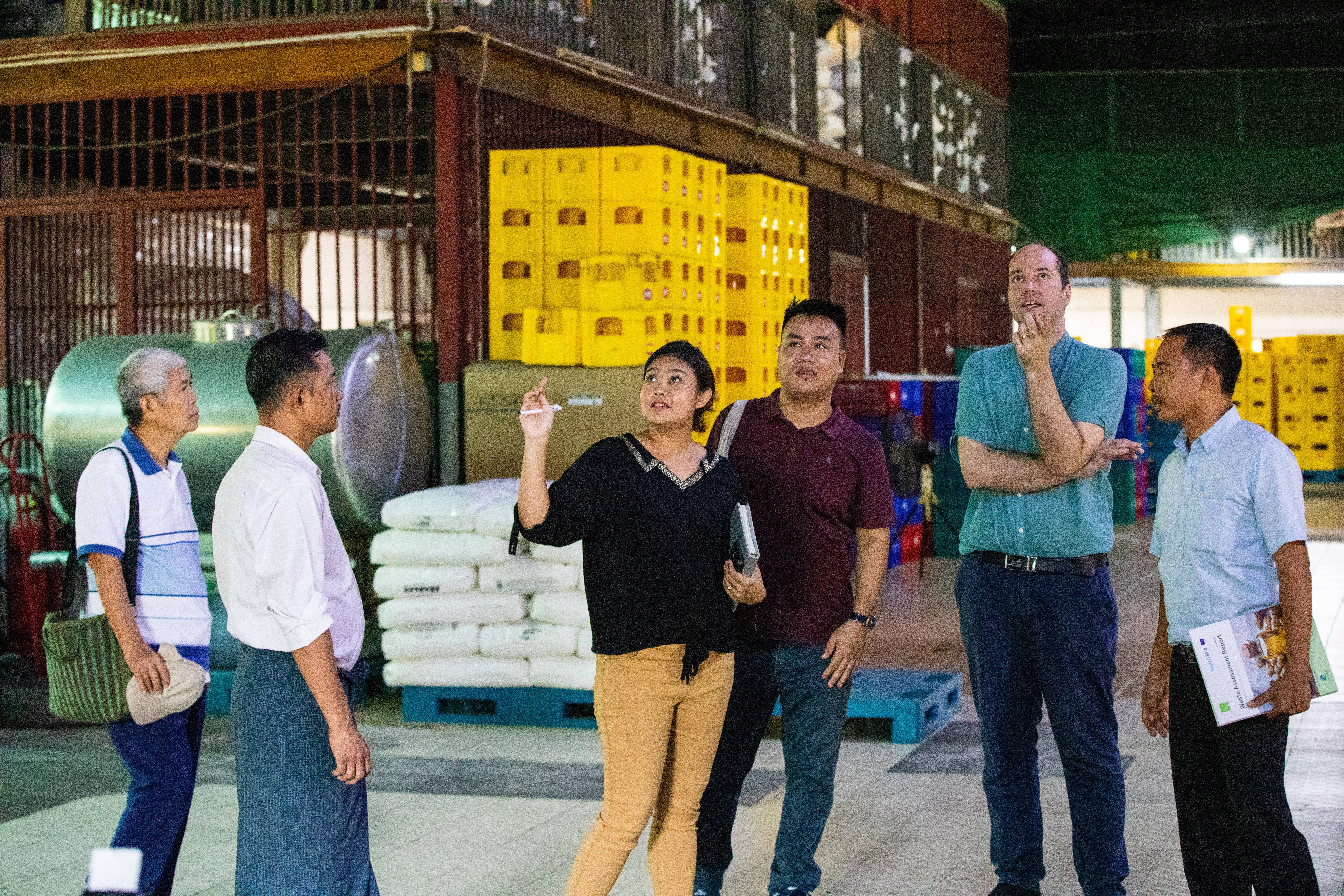
- Integration of circular mechanisms in MSME operations through platforms like Waste Exchange and Pollution Monitoring.
- Increased resource efficiency and environmental impact monitoring for MSMEs.
- Improved market access and funding opportunities for 50 circular entrepreneurs, fostering innovation and growth.
- Advancement in technical skill development and innovation within Myanmar's circular economy ecosystem.
- Strengthened circular business environment with Master trainer and 10 consultants for carbon credit project verification.
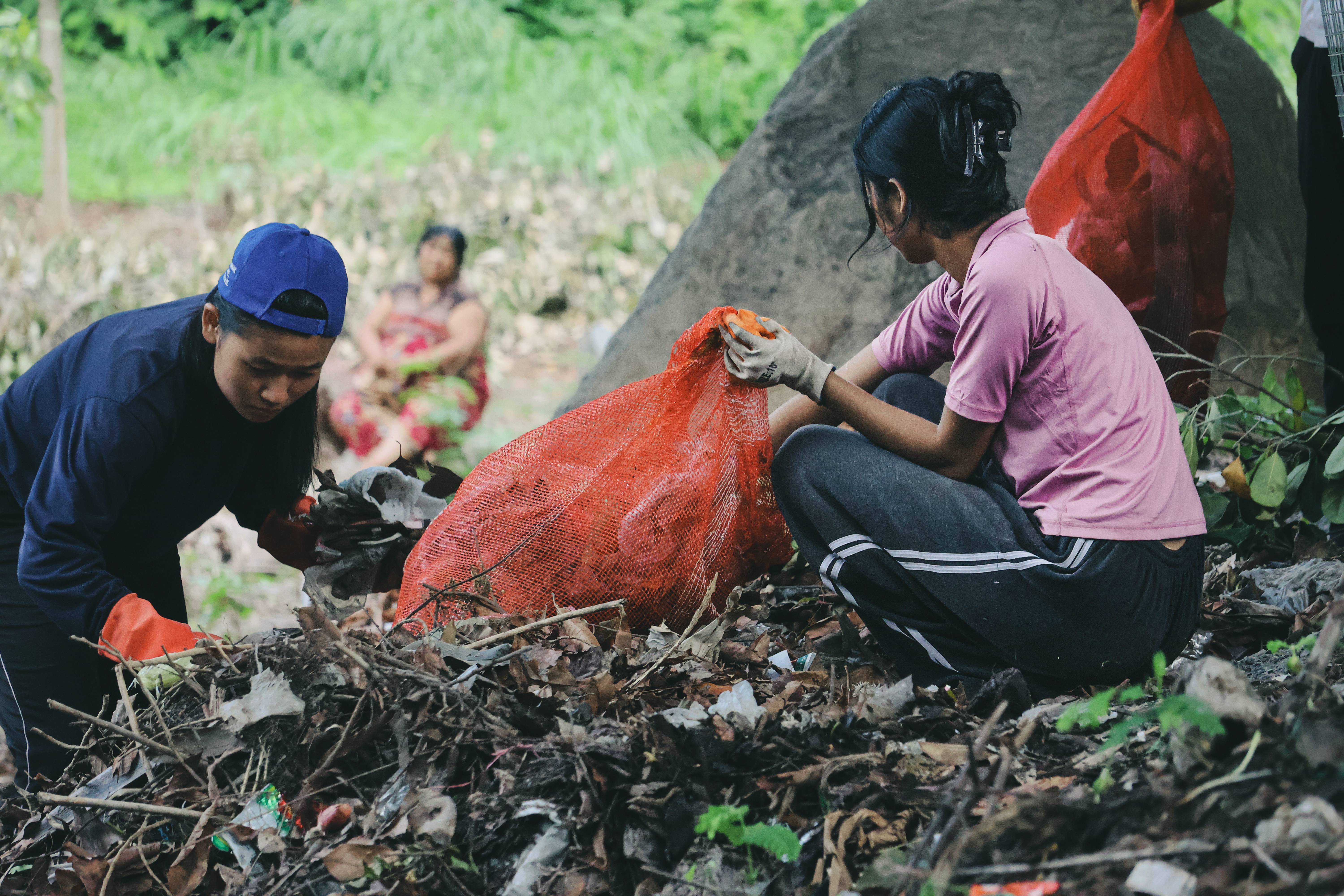
- Legal recognition and support for 100 informal waste pickers through cooperatives and technical capacity building.
- Amplified impact of 40 CSOs in community engagement and education on environmental matters.
- Heightened engagement and education on circular economy benefits for 80 communities, encouraging sustainable practices.
- Encouragement for 1,000,000 consumers to adopt behaviour changes and a circular lifestyle.
- Overall improvement in waste management practices and transition to a green economy benefiting Myanmar society with cleaner and healthier living environments.
Relation to European Green Deal, Circular Economy and Climate Change
Prevent Plastics+ is closely aligned with EU priorities, the European Green Deal, and efforts to tackle climate change by addressing the twin crises of climate change and socio-economic impacts. By emphasising the promotion of a circular economy and the reduction of greenhouse gas emissions, the project supports the objectives of the European Green Deal and the Global Gateway strategy. It aligns with the European Circular Economy Action Plan (CEAP), a key component of the Green Deal, focused on fostering a climate-neutral, resource-efficient economy. Implemented in Myanmar, the project aids the EU's international cooperation goals for green transitions, addressing specific environmental challenges in the region. Furthermore, it adheres to the Ecodesign for Sustainable Products Regulation (ESPR), enhancing sustainable consumption and advancing environmental objectives on both local and global scales.
Duration:
12. 2024 - 11. 2027Total Budget:
EUR 1.661.136.00 (EU Contribution 90%)Contact Detail:
Daniel Mista,
Team Leader, sequa
Julia Dittenhauser,
Project Director, sequa
Lead Partners
Partners

Gallery