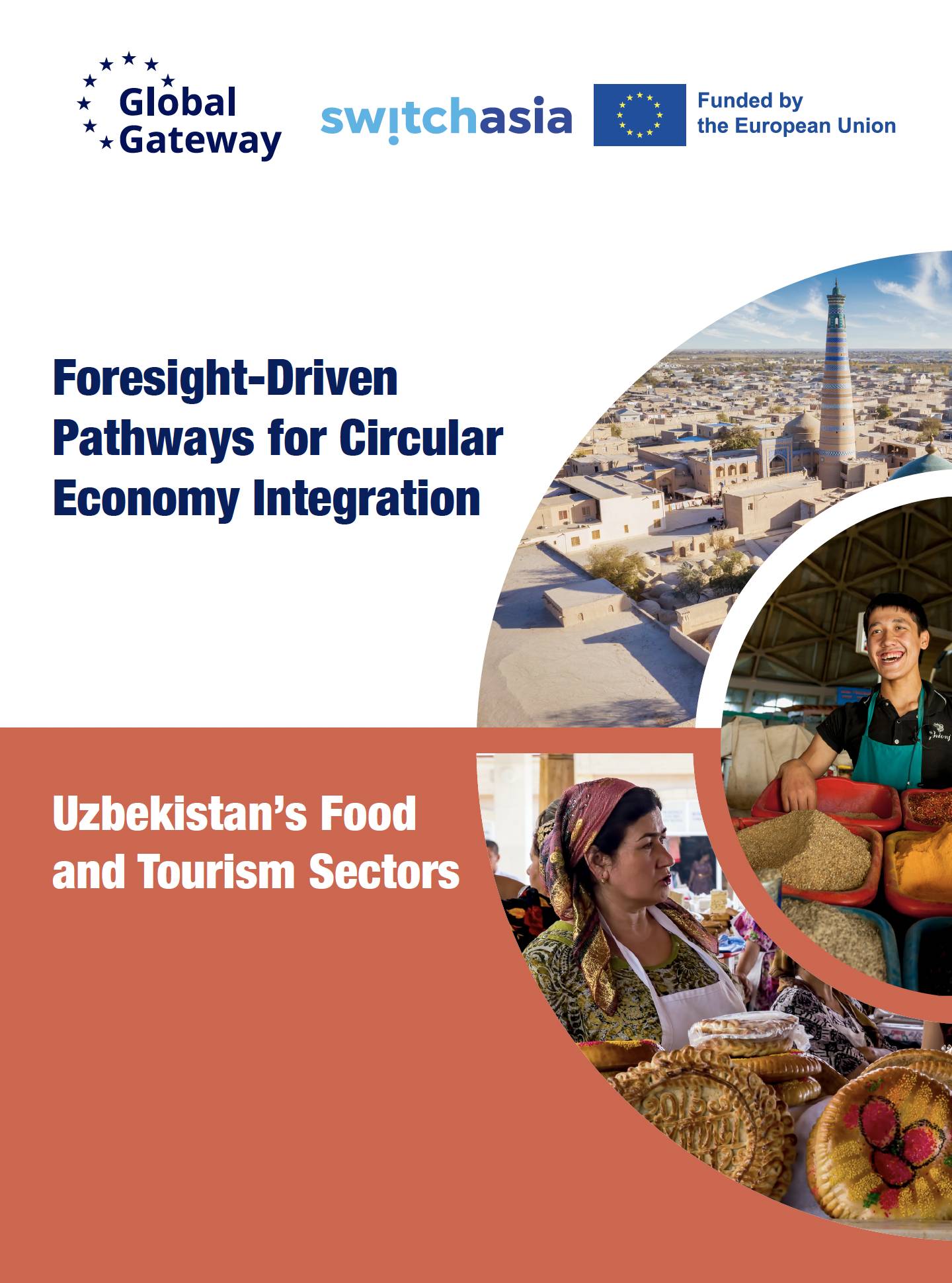
The Strategic Foresight for the Circular Economy in the Tourism and Hospitality Sector with a focus on food in Uzbekistan highlights strong and growing momentum toward sustainability, driven by increasing stakeholder recognition that circular economy principles offer both environmental benefits and market advantages. This awareness is already translating into concrete actions across the hospitality sector, supported by a favourable policy environment that includes green tourism decrees, financial incentives, and eco-labelling schemes. However, the transition to circular tourism at scale remains constrained by systemic challenges such as limited rural infrastructure and investment, weak waste-management coordination, skills and capacity gaps, and legal ambiguities affecting alternative tourism models. The foresight process identified a shared “Preferred Future” based on adaptive change, requiring improved investment conditions, skilled human capital, robust quality infrastructure, and expanded green finance. Achieving this vision will depend on targeted institutional and financial reforms, including a dedicated circular economy legislative framework, fiscal incentives for the private sector, education and vocational training reform, and stronger cross-sectoral coordination across tourism, agriculture, and waste management systems.