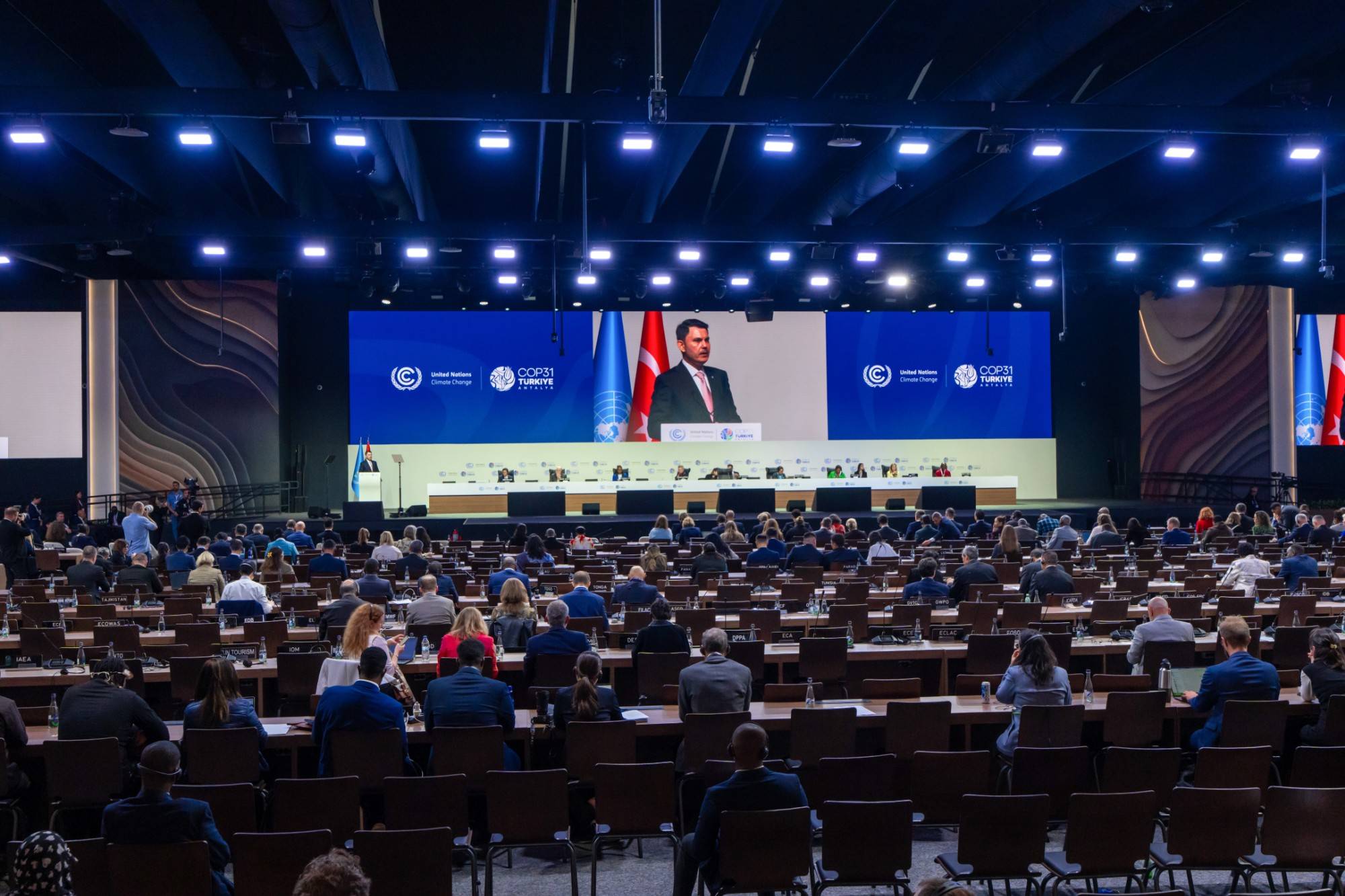
A Disappointing Close in Antalya
The 31st UN Climate Change Conference (COP31) in Antalya, Türkiye, closed on 22 November 2026, two days late and without an overarching agreement. Parties could not agree on the proposed "Antalya Pact" cover decision, split over the transition away from fossil fuels and over who should provide climate finance.
Some decisions did pass, including on the Global Goal on Adaptation, the Adaptation Fund and the Just Transition Work Programme. Work also continues on how to deliver the shared ambition, agreed in Belém, to at least triple adaptation finance by 2035, an issue that will stay high on the agenda in the year ahead.
Across the conference, one theme rose to the top of the discussions: how to leverage climate finance together with other public and private investments to turn national climate plans into action. This was exactly the question SWITCH-Asia brought to Antalya.
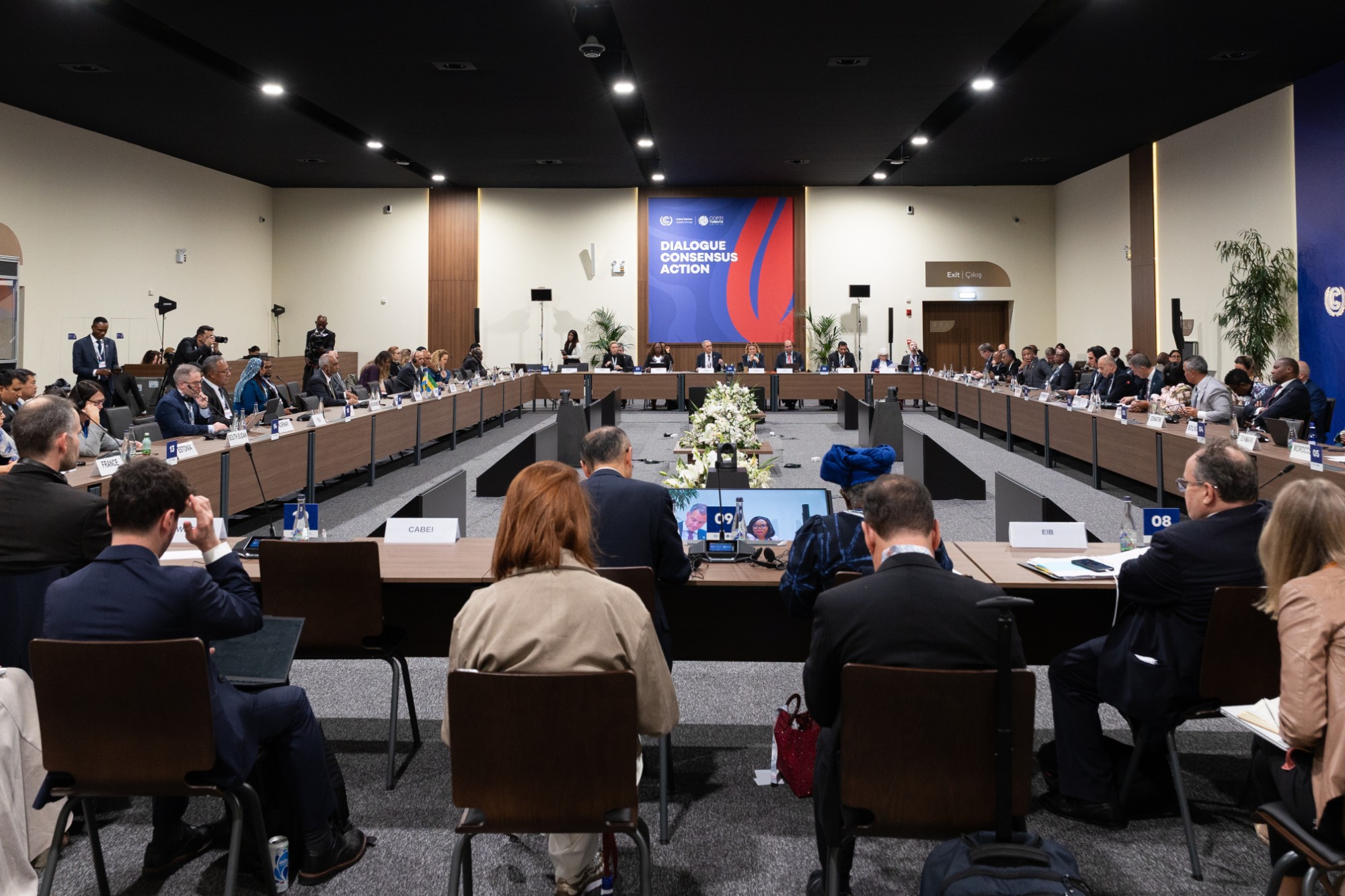
SWITCH-Asia at COP31: The CE–Climate Nexus in Action
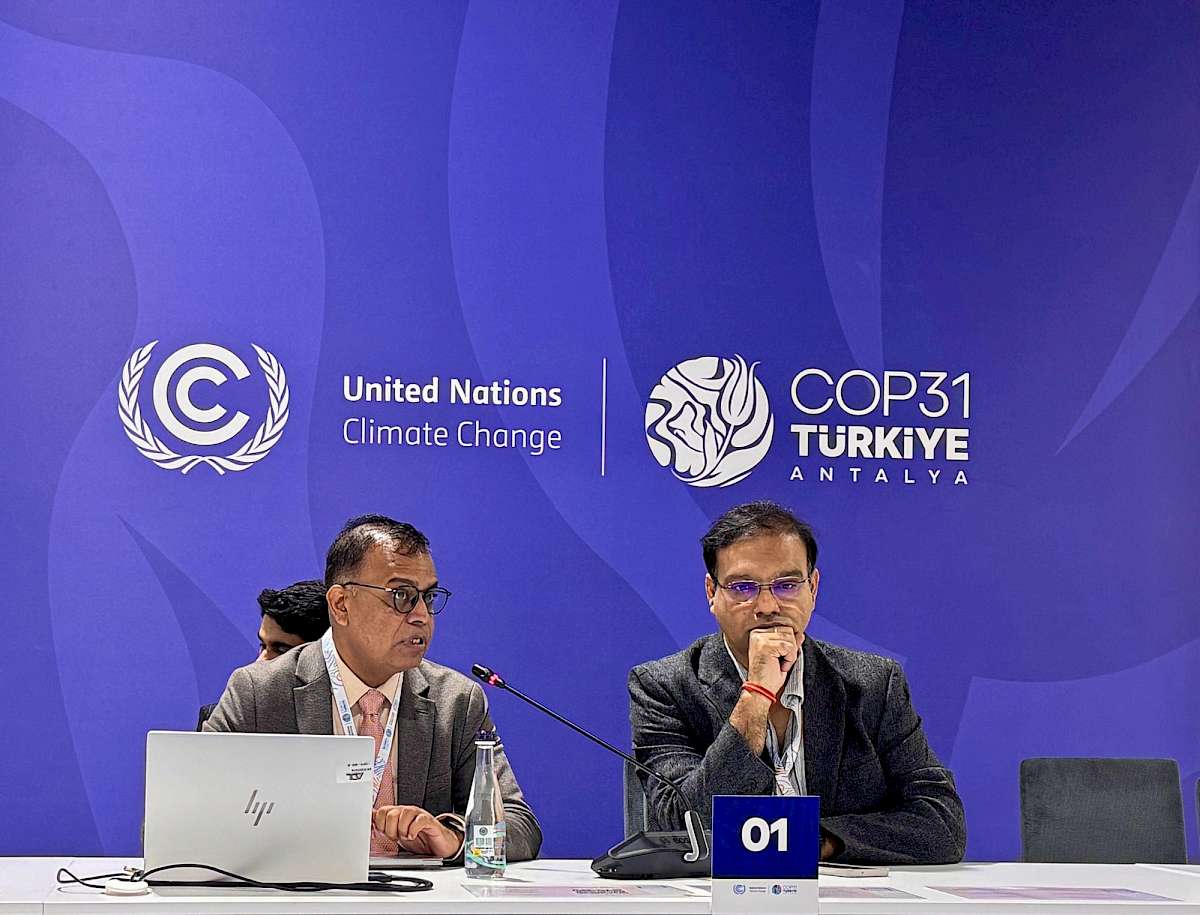
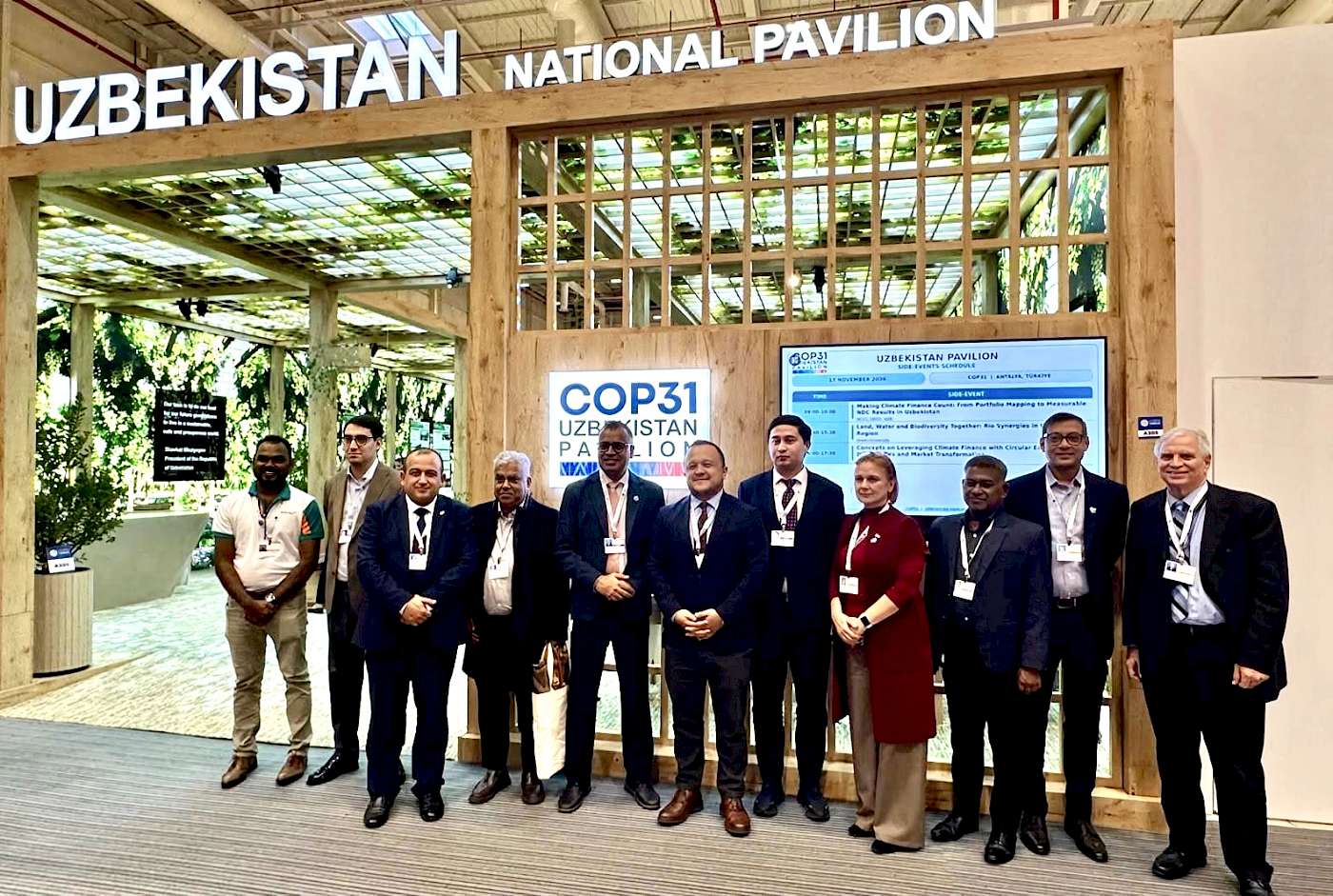
SWITCH-Asia went to Antalya to take its work with Asia-Pacific countries a step further, using the material and circular economy–climate nexus as a lever for mitigation, adaptation, resilience building and climate finance. Alongside wider engagement across the conference, the team organised events and roundtable consultations and joined country-specific sessions with governments from South and Central Asia. These conversations brought together ministries, finance institutions, businesses, civil society and development partners. They also gathered national investment priorities that will shape SWITCH-Asia's technical assistance on leveraging investments for CE-linked climate action.
Circular Economy Gains Ground in the Climate Space
The negotiations stalled, but circularity has never had more attention at a COP. For the first time, the COP31 Presidency put circular economy in its Action Agenda and dedicated a full day, 11 November, to zero waste, circularity and methane, opened by a Leaders' Roundtable. It built on the first Circular Economy Day at COP30 in Belém a year earlier.
The Presidency also set voluntary targets for 2035: raising the global circular material use rate to at least 15%, from 6.9% today, and cutting energy-use intensity in buildings by at least 25%. These are political goals rather than negotiated outcomes, but they put materials on the same footing as energy.
Countries are already moving. UNDP finds that measures related to circular economy now appear in 84% of revised NDCs, reaching well beyond the waste sector. The question is no longer whether circular economy belongs in climate plans, but how to finance its implementation.
Leveraging Climate Investments for Circular Economy: Can Circular Economy Transform Markets the Way Renewables Did?
Circular economy is one of the largest untapped sources of climate impact. The Ellen MacArthur Foundation estimates that renewable energy and efficiency can tackle only 55% of global emissions; the remaining 45% comes from how we make and use products, materials and food. Circle Economy finds that circular strategies could cut global greenhouse gas emissions by 39%. For Asia-Pacific, where demand for materials, buildings and infrastructure is still growing fast, this is an opportunity to lock in low-carbon, resilient growth from the start, and a strong case for investors.
Renewable energy offers a lesson. Targeted policy and early public finance turned it from a niche technology into a mainstream market, and private capital followed. Throughout COP31, SWITCH-Asia put one question to its partners: can circular economy trigger the same kind of market transformation?
The answers from governments, financiers, businesses and partners pointed to a clear sequence.
 It starts with policy de-risking. Investors stay away from circular business models when rules are unclear or short-lived. Stable regulation, standards and long-term signals are what turn a promising pilot into an investable market.
A value chain lens shows where to act. Looking across the whole chain, from raw materials to reuse and end of life, reveals where emissions, costs and investment opportunities really sit, instead of treating waste as the end of the story.
That lens also widens the case beyond climate. Circular value chains create green growth and local jobs, which speaks directly to finance and planning ministries. This is why circular economy will be an essential part of the just transition, helping workers and communities share in the benefits of change.
Early concessional finance can tip the balance. As with renewables, the first investments carry the most risk and need public and concessional support. Dedicated climate funds are ready to take on that early risk, as long as circular investments deliver quantified climate benefits. Once markets mature, the investment potential is very high.
Technology and business investment move together. Many mature and emerging CE technologies already exist, and transferring them to Asia-Pacific markets is as much a business opportunity as a development goal. Here the EU, as a global leader in circular market transformation, can play a significant role through its policy experience, technology and investment.
The right market tools multiply the effect. Carbon markets and local green taxonomies help investors recognise circular projects as climate investments, opening the door to climate finance at scale.
Taken together, these elements show why circular economy can deliver more climate impact per dollar invested. A single circular investment can cut emissions, reduce exposure to resource shocks, strengthen resilience and create jobs at the same time. That combination of benefits is exactly what makes circular economy a powerful lever to attract climate finance and crowd in private capital.
Next Steps: Leveraging Investments for the CE–Climate Nexus in South and Central Asia
The perspectives gathered in Antalya feed directly into SWITCH-Asia's technical assistance on leveraging investments for circular economy-linked climate action in South Asia and Central Asia. Under this work, SWITCH-Asia will publish strategy papers and broad roadmaps that show how countries can advance the CE–climate nexus by leveraging climate investments.
The roadmaps will help countries turn the circular economy measures in their NDCs into investment priorities and bankable pipelines. They will bring together the elements partners raised at COP31: policy de-risking, value chain approaches, concessional and climate fund finance, technology transfer, business investment, carbon markets and local taxonomies. The aim is simple: to make circular economy a channel for NDC investment, not only an ambition in NDC text.
Access SWITCH-Asia Resources: https://switch-asia.eu/our-work/multi-country/ndc-and-scp-integration/


Author: Ranga Pallawala, Climate Change and Circular Economy Policy Expert, EU SWITCH-Asia Policy Support Component
For more details, please contact [email protected]
Photo credits:
High-Level Opening Plenary. Scenes from the High-Level Opening Plenary, attended by UN Climate Change Executive Secretary Simon Stiell, COP31 President Murat Kurum, and COP31 President of Negotiations Chris Bowen. (Photo: © UN Climate Change – Kubilay Ciftci)
High-Level Roundtable: The Second Decade of the Paris Agreement: Accelerating Implementation and Access to Finance. WTO Director-General Dr. Ngozi Okonjo-Iweala joins participants at the “High-Level Roundtable: The Second Decade of the Paris Agreement: Accelerating Implementation and Access to Finance.” (Photo: © UN Climate Change – Kubilay Ciftci)