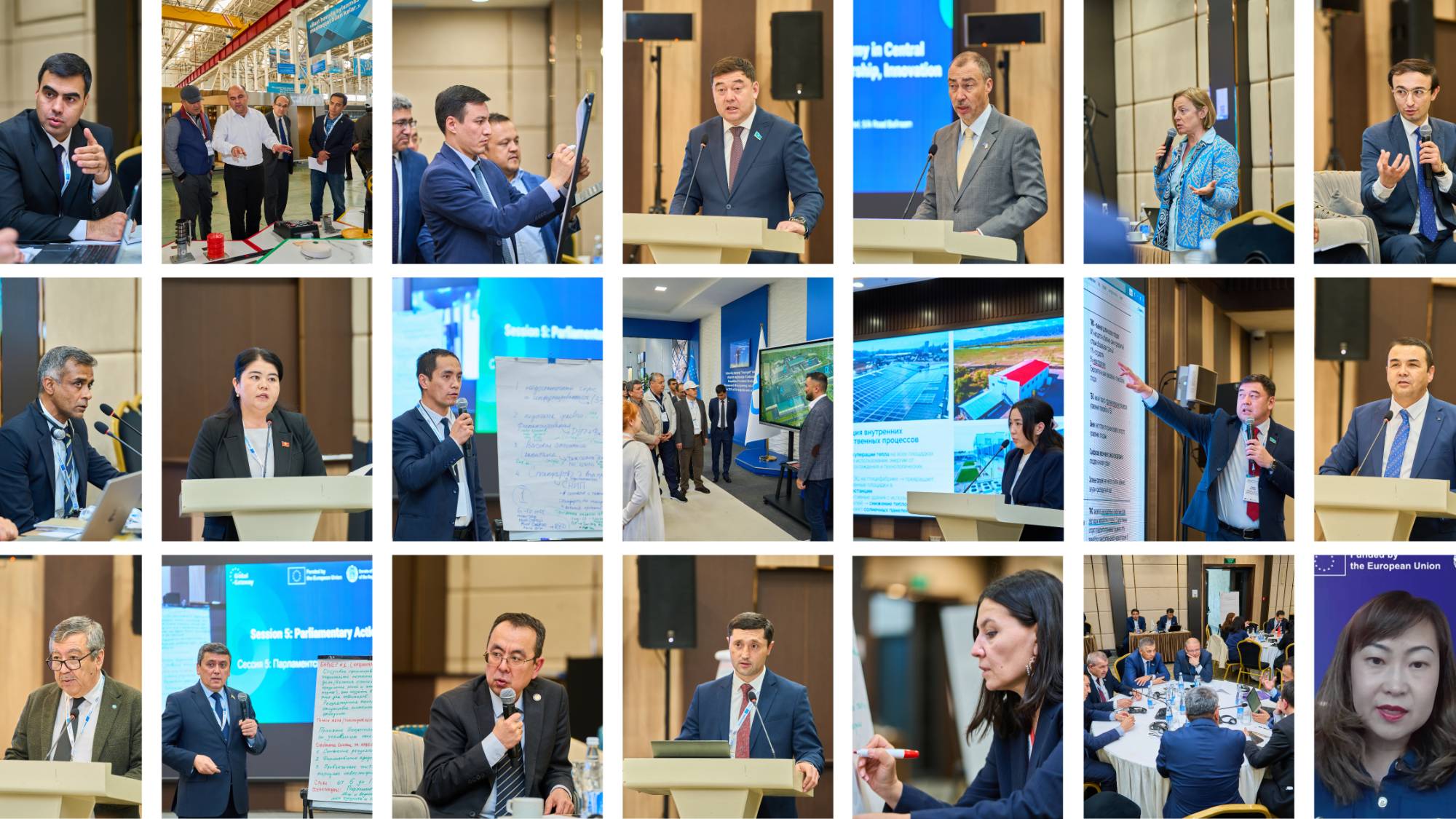
The transition to a circular economy in Central Asia is entering a new phase, moving from dialogue to implementation, and from national efforts to a coordinated regional approach, one defined not by ambition alone, but by tangible action, investment, and implementation.
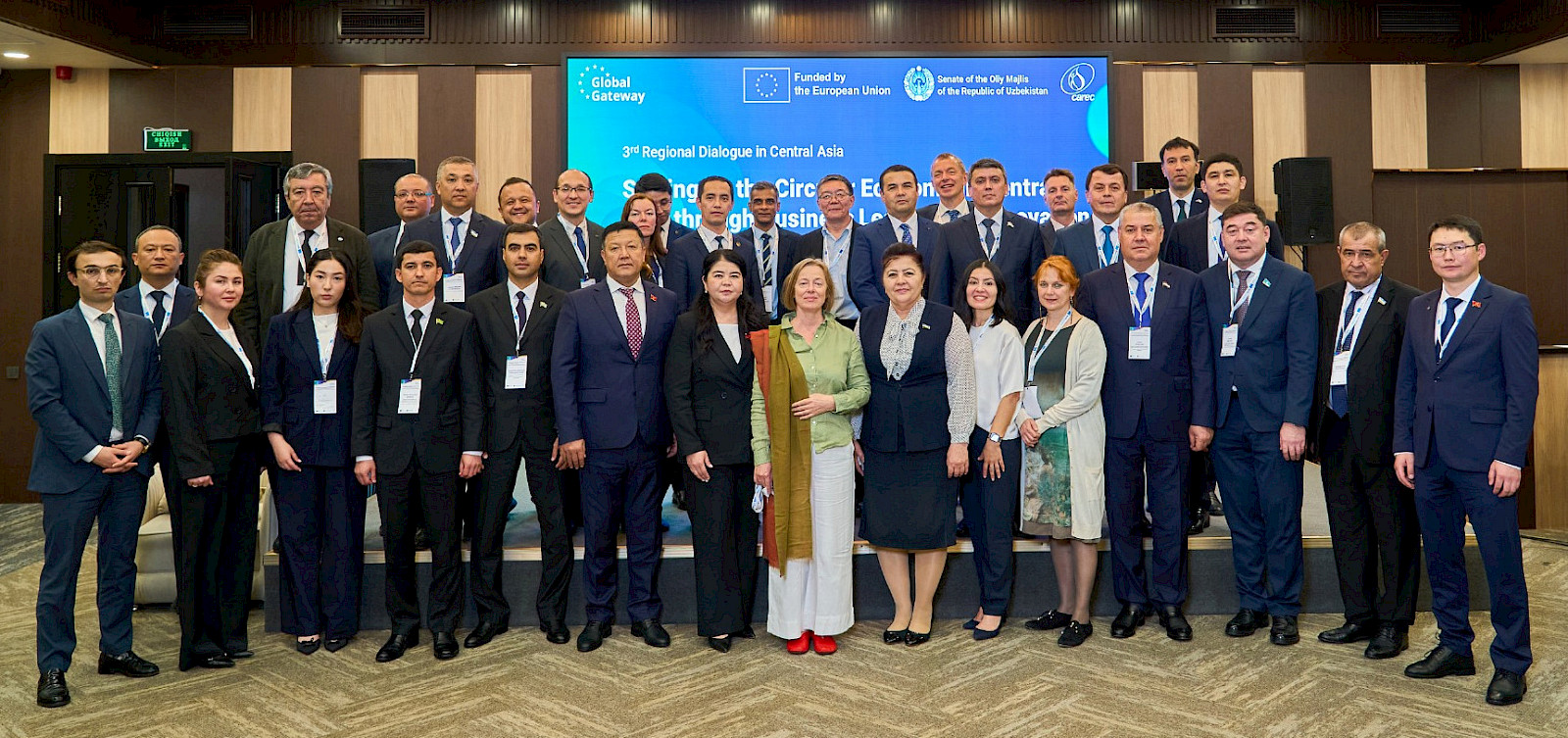
The 3rd Regional Dialogue on Circular Economy in Central Asia, organised on 9-10 April 2026 by the EU SWITCH-Asia Policy Support Component, as part of its broader support to building a regional circular economy framework in Central Asia, in partnership with the European Union Delegation to Uzbekistan, the Central Asia Regional Environmental Centre (CAREC), and the Government of Uzbekistan, brought together policymakers, parliamentarians, financial institutions, businesses, and development partners to accelerate this shift. Building on previous dialogues held in Bishkek and Almaty, this year’s Dialogue focused on scaling circular economy solutions through business leadership, innovation, and finance—reflecting a growing regional commitment to move from principles to practice.
From Policy Commitments to Market Transformation
A central message throughout the Dialogue was clear: circular economy is not only an environmental imperative, it is an economic strategy. Across discussions, a clear convergence emerged: circular economy requires alignment of policy, business, and finance.
Opening the event, Mr Erkin Gadoev, Chairman of the Committee on Budget and Economic Issues of the Senate of the Oliy Majlis of Uzbekistan, highlighted the dual opportunity of sustainability and competitiveness:
Advancing the circular economy is not only an environmental priority, but an economic opportunity (…) By strengthening legislation, supporting innovation, and creating favourable conditions for investment, we can accelerate sustainable growth.
Mr. Toivo Klaar, Ambassador of the EU Delegation to Uzbekistan emphasised the importance of political leadership and parliamentary engagement in turning ambition into tangible action:
For the EU, circular economy is at the heart of building a sustainable, competitive, and climate-neutral future. Parliamentarians play a crucial role in enabling this transition – through smart policies, we can reduce risks, mobilise investment, and accelerate change. With political will and collective action, we can turn circular economy principles into reality, right here in Central Asia.
Speakers across the region echoed this sentiment, underlining that clear regulatory frameworks, institutional capacity, and access to finance are key to unlock circular business models.
Parliamentarians from Kazakhstan, Kyrgyzstan, Tajikistan, Turkmenistan, and Uzbekistan shared progress and challenges, converging on a common understanding: policy predictability, market demand, and regional cooperation are the foundations for scaling circular solutions. Discussions highlighted the role of legislators in this strategic development.
Finance Follows Function: Creating the Right Conditions
Discussions throughout the Dialogue reinforced a critical shift in thinking: financing does not lead the transition—it follows it.
As highlighted by Dr Zinaida Fadeeva, Team Leader of the EU SWITCH-Asia Policy Support Component:
When policy creates predictability, markets generate demand, and businesses are ready to scale, investment flows.
Sessions on finance and investment emphasised the need to translate circular economy concepts into bankable, scalable projects, supported by clear revenue models, risk-sharing mechanisms, and robust regulatory frameworks.
Experts from the Asian Development Bank, International Finance Corporation (IFC), and UNEP Finance Initiative pointed to the importance of predictable cash flows, strong project preparation, and credible metrics to attract private capital and mainstream circular investments.
Business at the Centre of the Transition
Beyond policy discussions, the Dialogue highlighted how circular economy is already being implemented on the ground.
Across Central Asia, businesses are:
- Transforming industrial waste into construction materials
- Developing high-value, resource-efficient exports
- Adopting cleaner production models in agri-food sectors
- Strengthening local value chains and supply resilience
A dedicated session on business and project showcases demonstrated that innovation is already underway and circular economy in Central Asia is no longer conceptual, with the next challenge being to scale these solutions through enabling policies, finance, and market incentives.
From Dialogue to Practice: Circular Economy in Action
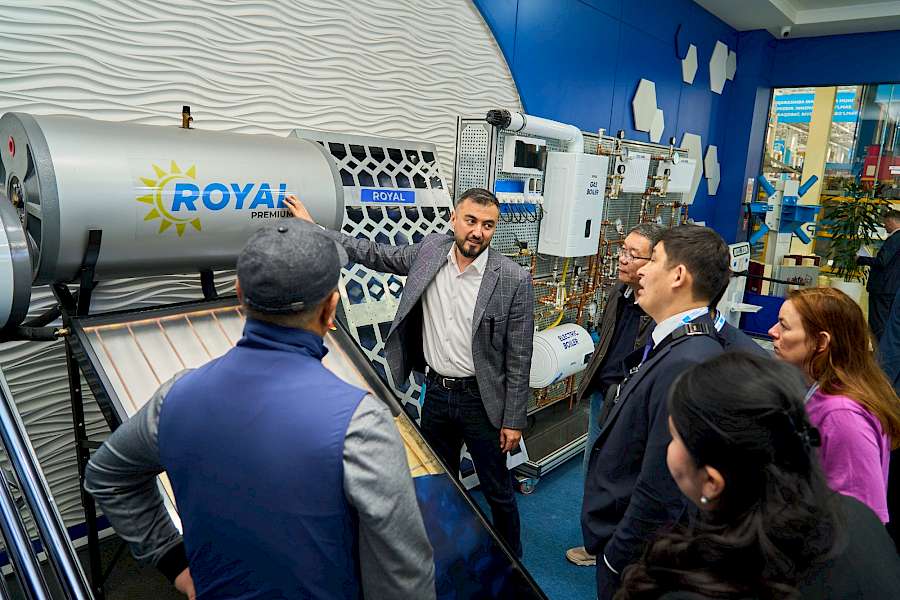
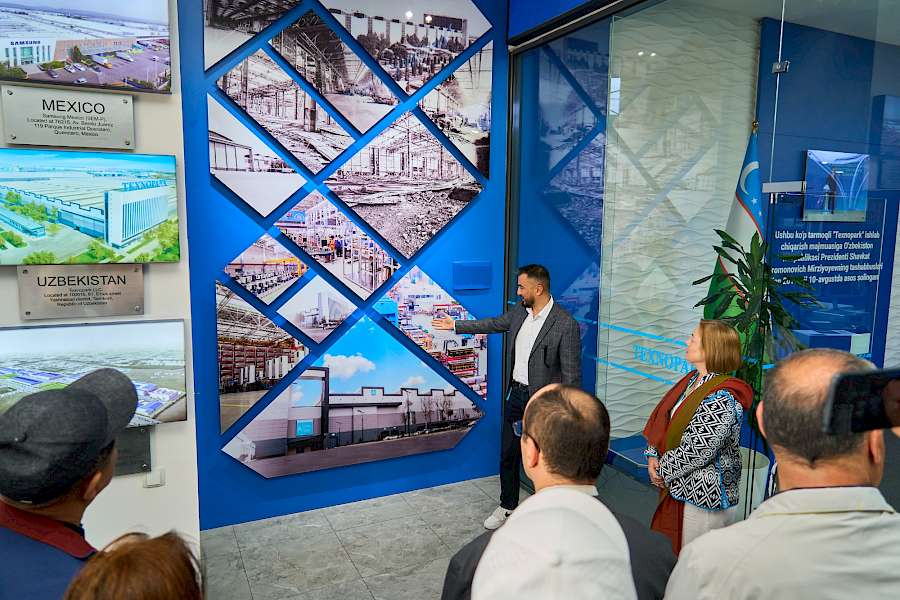
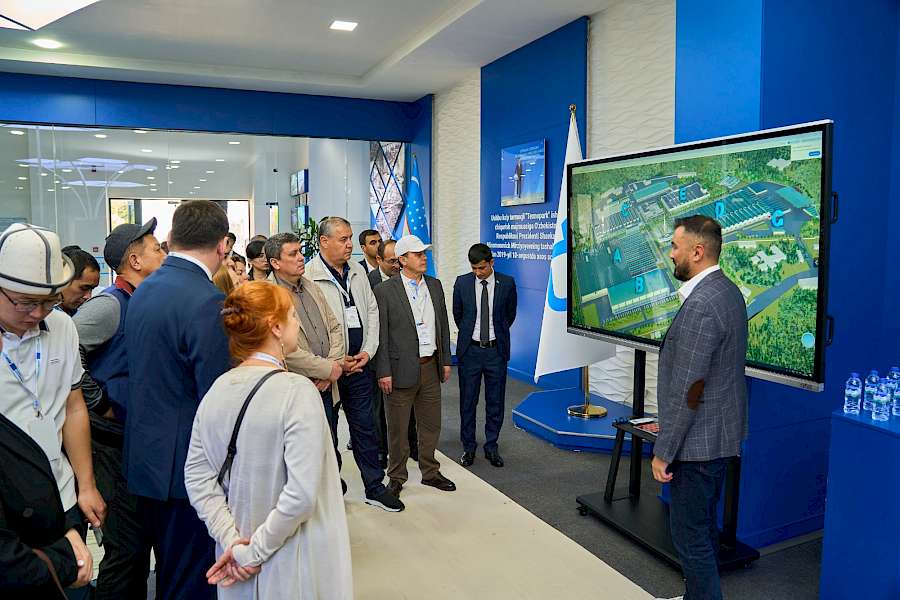
Participants also engaged in a field visit in Tashkent, offering a first-hand look at how circular principles are being integrated into industrial systems. The visit underscored a key takeaway of the Dialogue: circular economy is not a theoretical model, rather, it is already shaping production, resource use, and industrial development across the region.
A defining feature of the Dialogue was its strong regional dimension. CAREC reaffirmed its role as a platform for cooperation, bringing together countries, institutions, and stakeholders to align efforts and scale impact. Inter-parliamentary collaboration, harmonised standards, and shared investment frameworks were highlighted as essential to building a coherent regional market for circular solutions, reducing fragmentation and increasing opportunities for scale.
The Parliamentary Action Lab further reinforced this approach, enabling lawmakers to identify priority actions to support circular economy financing and implementation in their respective countries.
Looking Ahead: Scaling Impact Across Central Asia
The outcomes of the Dialogue will feed into the development of the Central Asia Circular Economy Partnership Framework, to be presented at the upcoming 2026 Regional Ecological Summit in Kazakhstan, marking a shift towards a more structured and coordinated regional approach.
The focus now is to translate this framework into coordinated action — by strengthening policy alignment, enabling business solutions, and creating the conditions for scaling circular economy across the region.
The earlier Dialogues also contributed to shaping the Central Asia Circular Economy Partnership Framework, developed with the support of the European Union through the SWITCH-Asia programme and supported by stakeholders across all five countries. At its 3rd Dialogue, the Central Asia Parliamentarian Platform on Circular Economy positioned itself not only as a contributing forum, but also as part of the implementation mechanism of the Framework.
The Dialogue process of the Central Asia Circular Economy Parliamentarian Platform will continue, with Tajikistan offering — and other countries welcoming — to host the fourth Regional Dialogue on Circular Economy in October 2026, ensuring continuity of regional cooperation and sustained momentum.
As the Dialogue concluded, participants shared a unified message: the priority now is clear, to move from dialogue to implementation, by mobilising investment, strengthening partnerships, and scaling circular solutions across Central Asia.
Central Asia Media:
- Türkmenistanyň Mejlisi (Parlamenti) : https://mejlis.gov.tm/single-news/1532?lang=tm
- Turkmenportal: https://turkmenportal.com/ru/news/100319-predstaviteli-medzhlisa-turkmenistana-prinyali-uchastie-v-parlamentskom-dialoge-v-tashkente
- Kyrgyzstan: https://www.instagram.com/p/DW9FGA0DDfR/
- Tajikistan: https://www.facebook.com/permalink.php?story_fbid=pfbid02DZXKQWWfMuUCDVP4YbkDRPJVEsbZytWB6jMbM3579RMcug1PxhP8gMTefcBPmGcEl&id=61580168464728&rdid=wGKxdQvohuVcXdcd