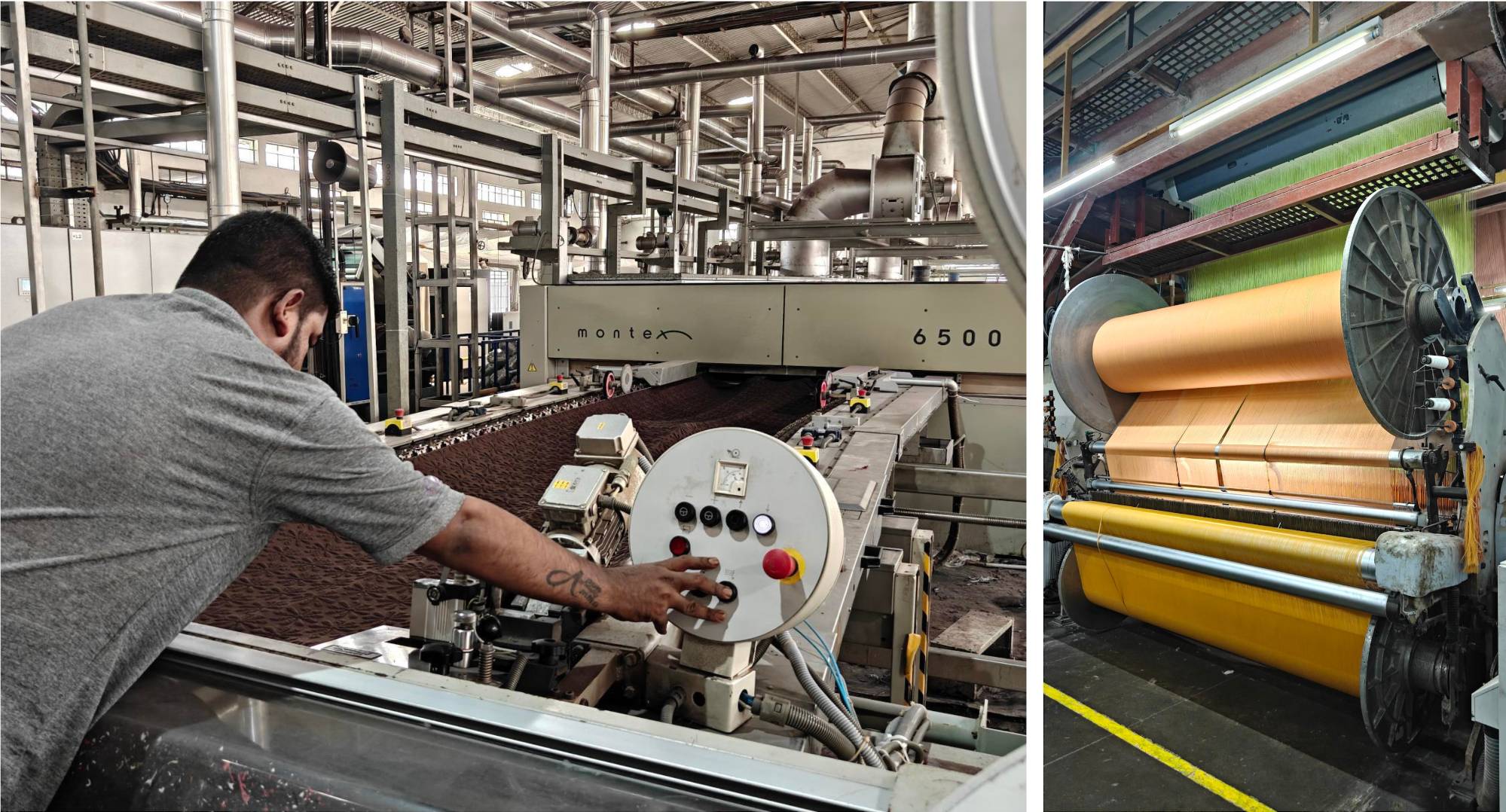
More than 400 manufacturers trained. Two clusters in process for being mapped for their carbon and water footprint. Three shared infrastructure deals worth over EUR 120 million taking shape. Nearly a year into its work, the EU-backed STEP initiative (Sustainable Transition & Efficient Production of Textile & Apparel Value Chain) is starting to show what a coordinated push to green India's textile industry can look like in practice.
India's textile and apparel sector is a giant by any measure, contributing 2.3% of the country's GDP and employing more than 45 million people, 60% of them women. It is also a sector under pressure: fossil-fuel-dependent energy, untreated effluent, and heavy chemical use have made it one of the harder industries to decarbonise, not least because so much of it runs through Micro, Small, and Medium Enterprises (MSMEs) with limited capital and technical support.
That is the gap STEP is designed to close. Funded under the EU's SWITCH-Asia programme, it combines technical assistance, capacity building, and access to finance. The goal is to de-jargonise decarbonisation for MSMEs, measure their carbon footprint, help them report against decarbonisation and ESG indicators, while opening the door to green financing to help them transition to green manufacturing, with a deliberate push to reach women-led enterprises through gender-sensitive financial tools.
A year on, that groundwork is starting to convert into results on the ground.
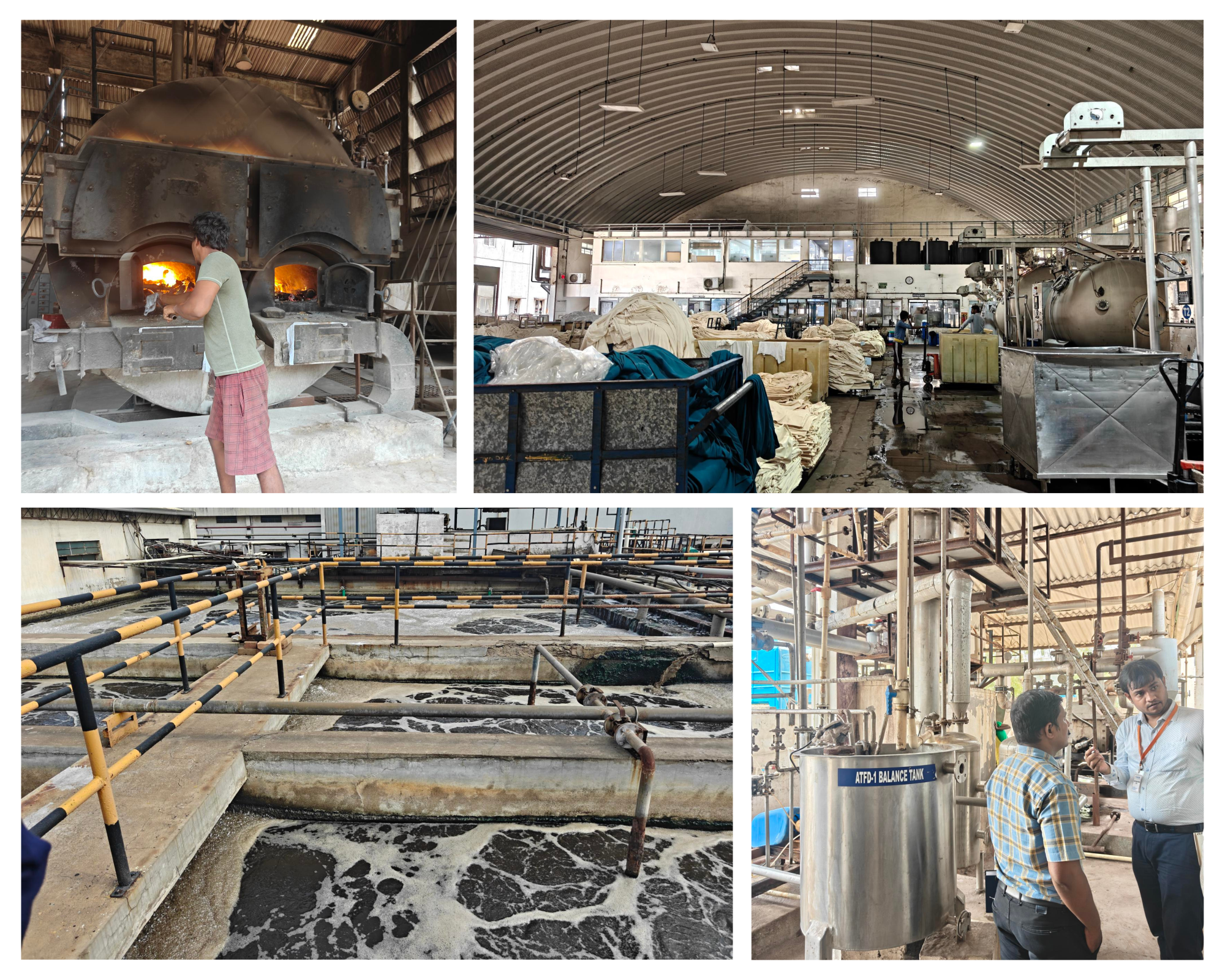
Helping manufacturers reduce emissions, improve resource efficiency, and adopt sustainable production practices
The programme is currently focused on two of India's major textile hubs, each moving at its own pace. In Perundurai, a dyeing and processing cluster located in Tamil Nadu, field teams have finished collecting data from participating MSMEs. That information is now being turned into cluster-wide baselines for energy use, emissions, and water consumption; the numbers that will underpin a decarbonisation roadmap now being tested with local stakeholders. In Surat’s Kadodara, the groundwork has been consultative rather than technical so far. With local ecosystem partners now on board, implementation activities are due to begin in August.
Running alongside the cluster work, STEP has held monthly workshops since last September on topics ranging from technical retrofits to green finance. Turnout suggests the demand is real:
- A 12 workshop Capacity Building Series, which took place between September ’25 to April ‘26, drew 404 unique participants from 167 organisations.
- A Green Finance Series, launched in May’26, has logged over 100 unique participants within the first two workshops.
- A Low-Carbon Solution Showcase Series, launched in June’26, has already passed 100 unique registrations within the first showcase.
Betting on Shared Infrastructure
Individual factories can only cut so much on their own. Some of the largest gains — in energy, water, and waste — depend on infrastructure that clusters share, and that no single MSME could finance alone. STEP is now trying to get several of these larger projects off the drawing board.
- Shared Green Steam, Perundurai: Four solution providers are drawing up technical and commercial proposals for a 60 TPH shared steam system that could serve multiple manufacturers at once.
- Textile-to-Textile Recycling, Surat: STEP is supporting Alliance Infitex in building a Textile Recovery Facility to feed a proposed 40-50 ktpa chemical recycling plant — an investment opportunity estimated at EUR 50-60 million.
- CETP Expansion and Deep-Sea Discharge, Surat: The programme's investment banking team is in talks on two further shared infrastructure projects, each expected to require roughly EUR 35-40 million in financing.
What Comes Next
Taken together, the past year marks a shift from assessment and planning to active implementation, and the emergence of a real pipeline of investable decarbonisation and circular economy projects. With Surat's implementation phase about to start and Perundurai's roadmap close to being finalised, the coming months should bring STEP's first on-the-ground decarbonisation results into view.