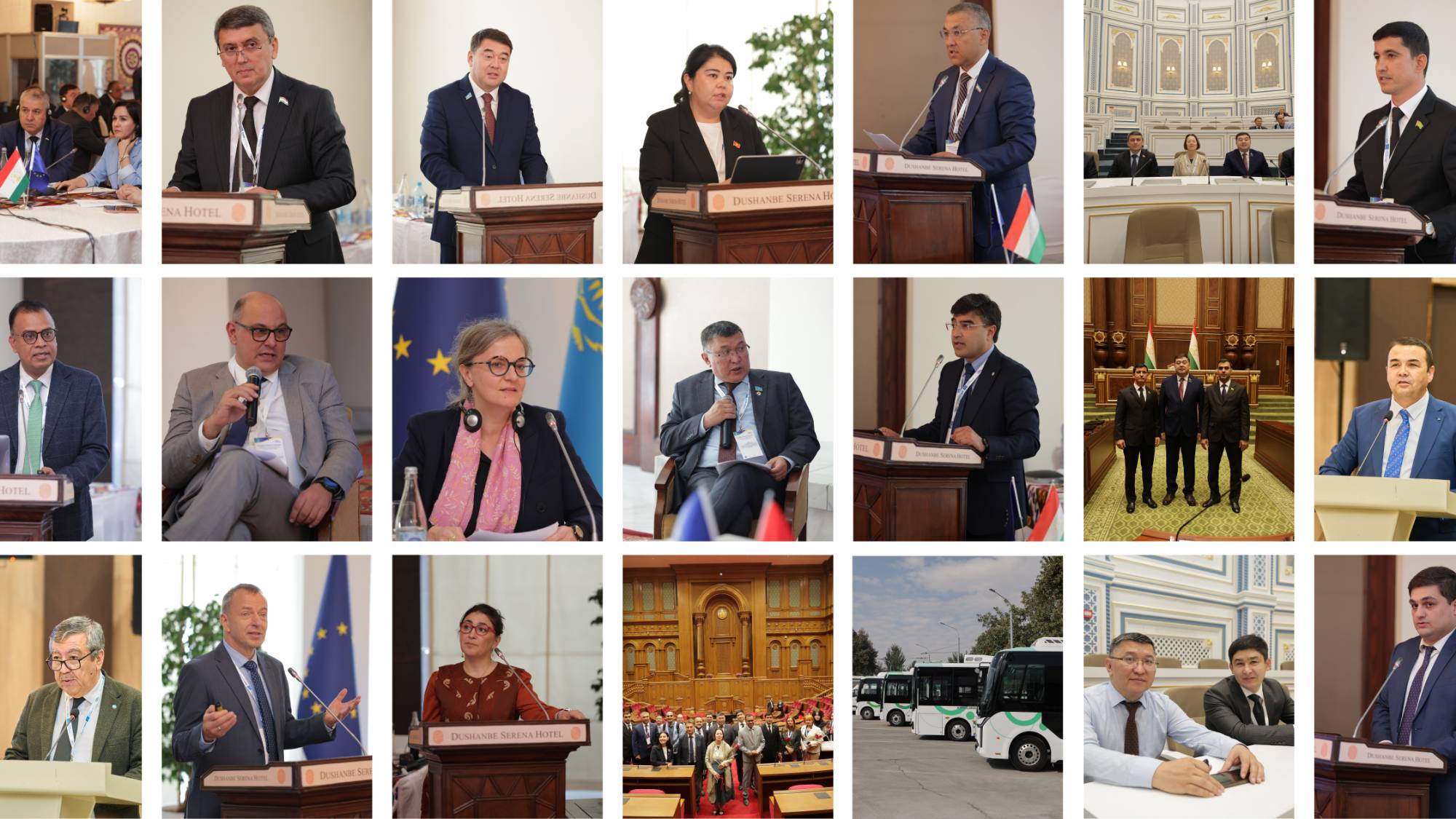
Central Asia’s transition towards a circular economy is gaining momentum, with countries moving from policy commitments to legislative reforms, circular business models and climate investment. The challenge now is to scale viable solutions and demonstrate measurable economic and environmental benefits.
The Fourth Regional Dialogue in Central Asia: Scaling Up the Circular Economy–Climate–Investment Nexus through Business and Innovative Entrepreneurship took place on 12-13 October 2026 in Dushanbe, Tajikistan. Co-organised and hosted by the Parliament of the Republic of Tajikistan, together with the EU SWITCH-Asia Policy Support Component and the Regional Environmental Centre for Central Asia (CAREC), with support from the Delegation of the European Union to Tajikistan, it convened parliamentarians from all five Central Asian countries, government representatives, businesses, financial institutions and development partners.
Building on previous meetings in Bishkek, Almaty and Tashkent, the Dialogue advanced implementation of the Central Asia Circular Economy Partnership Framework, launched at the Regional Ecological Summit in Astana in April 2026. Participants examined how legislation, enterprise innovation and climate finance can work together to build competitive, resource-efficient and resilient economies.
From Political Commitments to Legislative Action
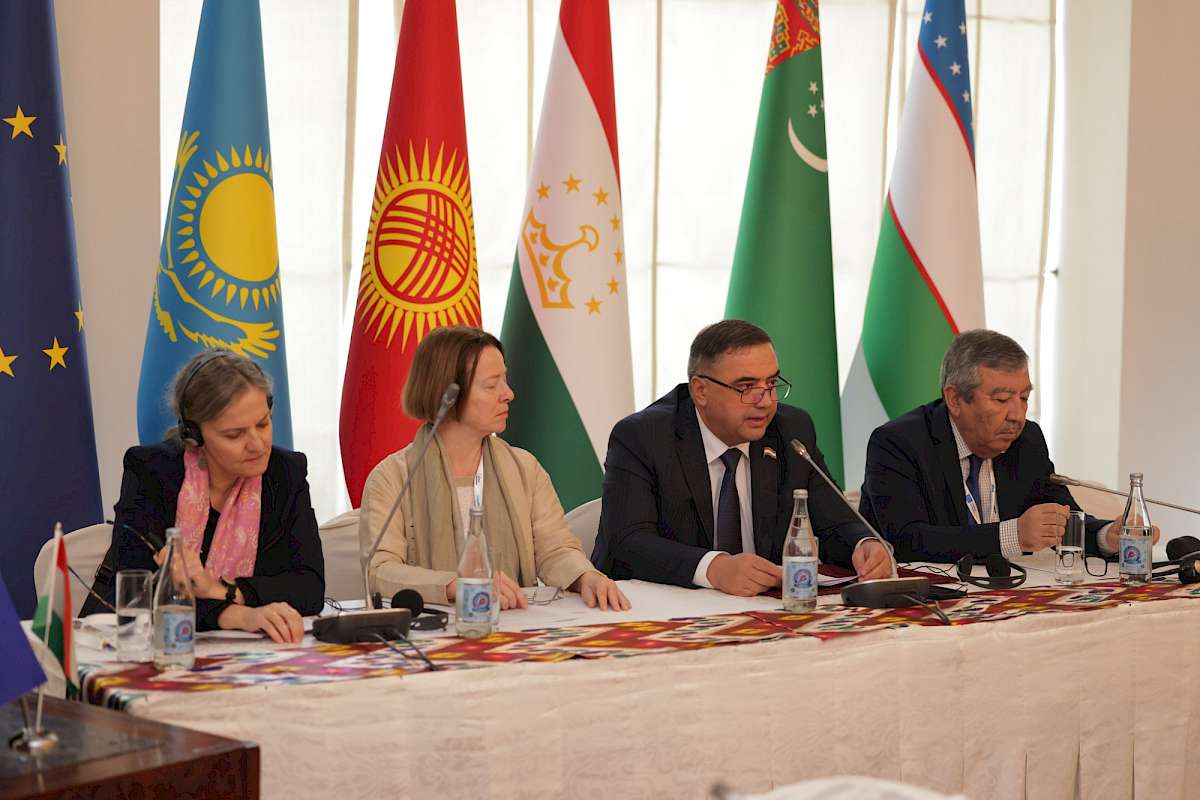
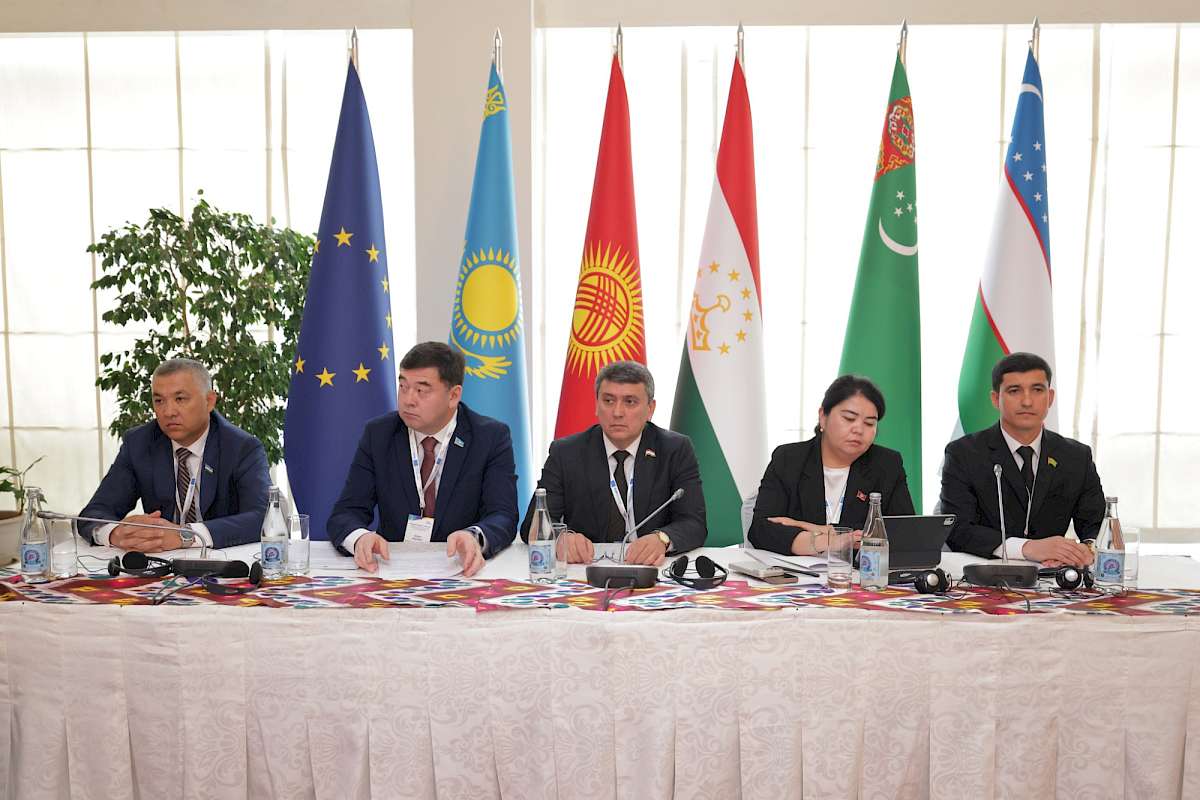
A significant shift is taking place across Central Asia: circular economy principles are increasingly moving beyond environmental and waste management policies to become part of wider economic development, industrial modernisation and investment strategies.
Opening the Dialogue, Mr Aziz Qodir Giyozoda, Deputy Chairman of the Majlisi Namoyandagon of the Majlisi Oli of the Republic of Tajikistan, called for practical mechanisms and sustained interparliamentary cooperation to address shared economic, environmental and resource challenges.
Country updates demonstrated how this transition is progressing through different national approaches.
In Tajikistan, parliamentary discussions are increasingly focused on concrete legislative measures, including the draft Environmental Code, proposed waste management reforms and national development targets for expanding circular practices in industry.
In the Kyrgyz Republic, the development of a national circular economy policy framework, progress on extended producer responsibility and stronger links with climate commitments and green finance are creating opportunities for more coordinated implementation.
Kazakhstan highlighted progress on circular economy standards, waste management reforms and measures to strengthen secondary material markets, while Uzbekistan reported developments in institutional arrangements for waste management and circular economy, alongside growing attention to resource efficiency, business innovation and investment.
In Turkmenistan, circular economy principles are reflected in initiatives on water efficiency, renewable energy, sustainable agriculture, infrastructure and urban development, demonstrating opportunities for applying circular approaches across sectors.
These national experiences underlined the need for predictable legislation, appropriate economic incentives and institutional coordination to create functioning markets for circular solutions.
Circular Economy in Practice: Businesses Driving Innovation
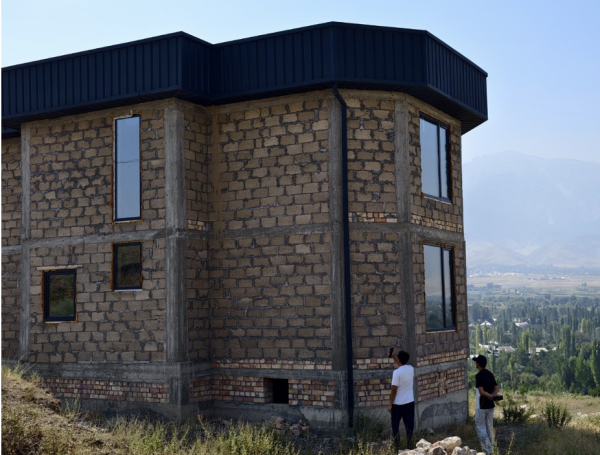
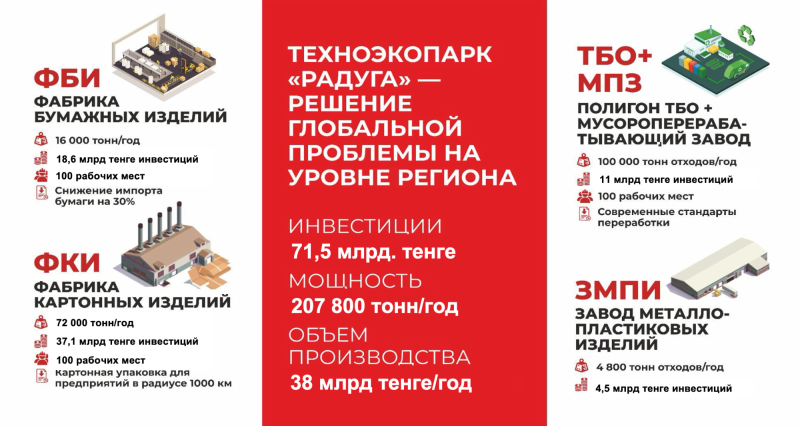
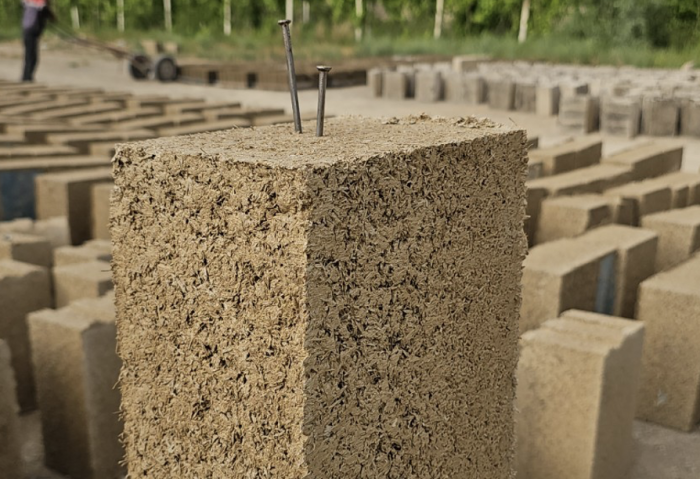
Beyond policy discussions, the Dialogue showcased how enterprises across Central Asia are already developing circular business models that reduce resource consumption, recover valuable materials and create new economic opportunities.
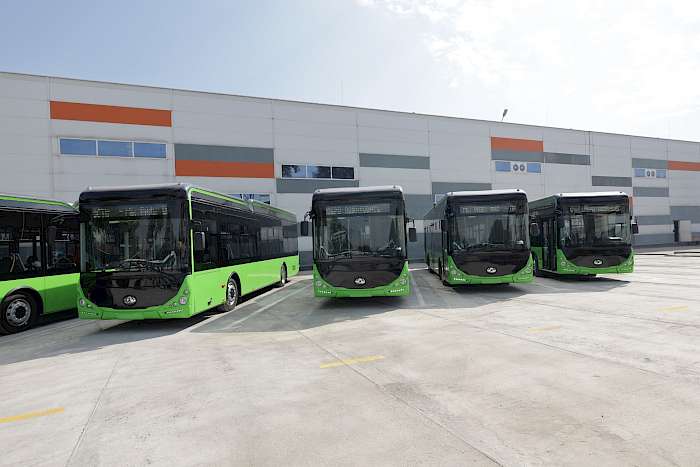
In Tajikistan, Akia Avesto, a bus and electric bus manufacturer, presented its investment in local vehicle production and electric mobility. Its electric buses replace diesel drivetrains and recover energy through regenerative braking, connecting industrial development with cleaner urban transport and potential climate benefits.
In the Kyrgyz Republic, Synch Materials, based in the Batken region, showed how rice husks can become building blocks, transforming agricultural residues into construction materials with potential insulation and resource-efficiency benefits.
In Turkmenistan, Tokaychy presented its mushroom production model, including water recirculation and the reuse of spent growing substrate by local farmers.
In Kazakhstan, Raduga LLP presented an industrial eco-park model linking waste collection and sorting with recycling and manufacturing of paper, cardboard and plastic products, helping recover material value within domestic supply chains.
Together, these cases illustrated how circular businesses reduce waste, use materials more efficiently and replace resource-intensive processes. Sorting enables recovery; agricultural residues become productive inputs; and Akia Avesto’s electric buses replace diesel drivetrains and recover energy through regenerative braking.
These examples reinforced a key message: circular economy is not simply about recycling waste, but about redesigning production systems, improving material efficiency, reducing costs and creating new business opportunities.
The examples also showed wider benefits: cleaner urban air, potential emissions reductions, industrial capabilities and additional value for farmers and communities. Participants saw scope to document and promote more regional business cases to encourage replication. However, moving from promising innovations to commercially viable operations requires access to technology, technical expertise, reliable supplies of secondary materials, market demand and appropriate financing.
Connecting Circular Solutions with Climate Finance and Investment
A central focus of the Dialogue was how circular economy solutions can contribute to climate objectives while becoming attractive investment opportunities.
As countries advance their updated Nationally Determined Contributions (NDCs), decarbonisation pathways and green growth strategies, circular approaches offer opportunities to reduce emissions, improve resource productivity and strengthen climate resilience across sectors, including industry, agriculture, water management and construction.
Participants stressed that material use belongs at the centre of climate strategies. Practical measures across product design, production, use and recovery must be linked to business demand and measurable benefits, rather than treating green classification as an end in itself.
Yet, as discussions with international and national financial institutions highlighted, a circular economy project does not automatically qualify as a climate investment. Its contribution to emissions reduction, resource efficiency or climate resilience must be clearly demonstrated and measured.
Representatives of the European Bank for Reconstruction and Development (EBRD), the Green Climate Fund (GCF), KfW DEG and national financial institutions discussed what makes circular initiatives investable: sound business models, project preparation, technical assistance and instruments to share risk.
The GCF described how Readiness support and its Country Platform approach can help countries connect circularity with Nationally Determined Contributions (NDCs), national climate plans and country-owned investment pipelines. KfW DEG emphasised financing private companies to scale circular business models when resource savings, emissions benefits and commercial potential can be demonstrated.
The EBRD underlined the importance of clearly classifying circular activities and adapting international taxonomies into usable guidance for domestic banks. Green credit lines and co-financing can support demand from small and medium-sized enterprises (SMEs), while combining bank resources with climate funds can reduce risk and draw in private capital. Tajikistan’s Green Projects Taxonomy, approved by the Government in March 2026, provides a national basis for assessing eligible green investments. Guarantees, blended finance and public-private partnerships can help projects progress towards implementation.
Ms Aidjan Karieva of Eldik Bank (Kyrgyz Republic) described plans to build a pipeline of circular and climate-relevant projects through the bank’s Green Climate Fund accreditation. Enterprises seeking such finance need to quantify their contributions to mitigation or resilience and prepare credible investment proposals.
Financial institutions also emphasised technical assistance for enterprises, from identifying resource-efficiency measures and preparing feasibility studies to developing financing products suited to business needs.
Participants highlighted three practical levers: clearer circular lending priorities and environmental, social and governance (ESG) practices among banks; better entrepreneurship support and project preparation; and producer and consumer responsibility. Climate finance requires demonstrable mitigation or adaptation results and a credible path to scale. Predictable regulation and public incentives can also encourage private investment beyond grants.
A consistent message emerged: finance alone cannot deliver the transition. Investment follows when enabling policies, market demand, business readiness and measurable climate outcomes come together.
Study Tour: Parliament of Tajikistan and Electric Bus Manufacturing
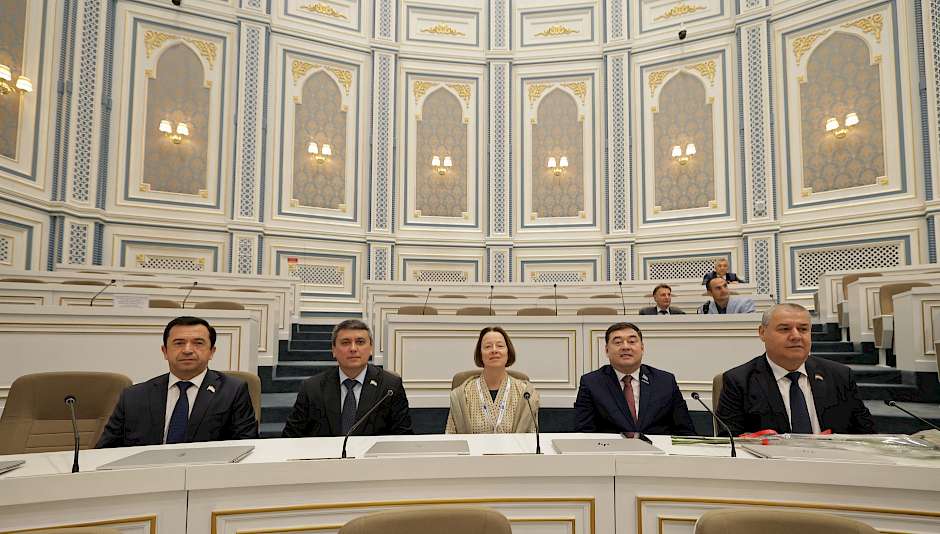
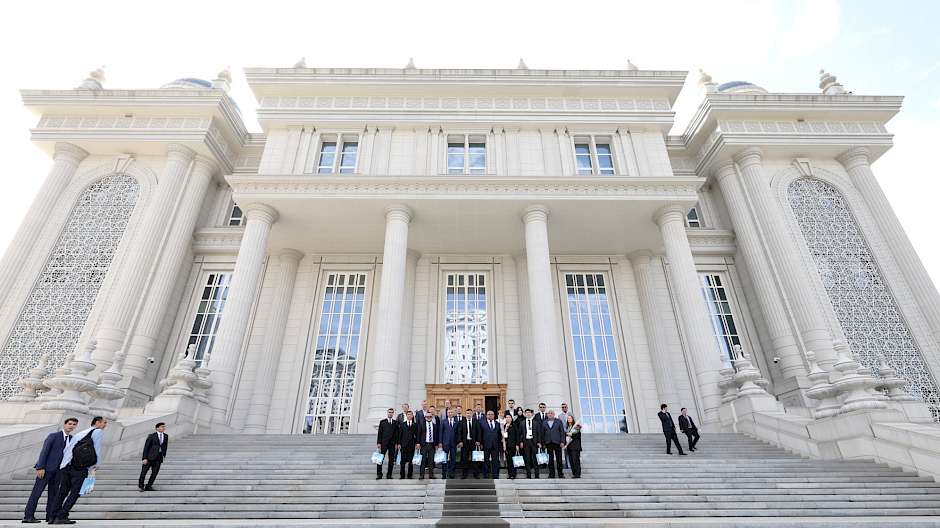
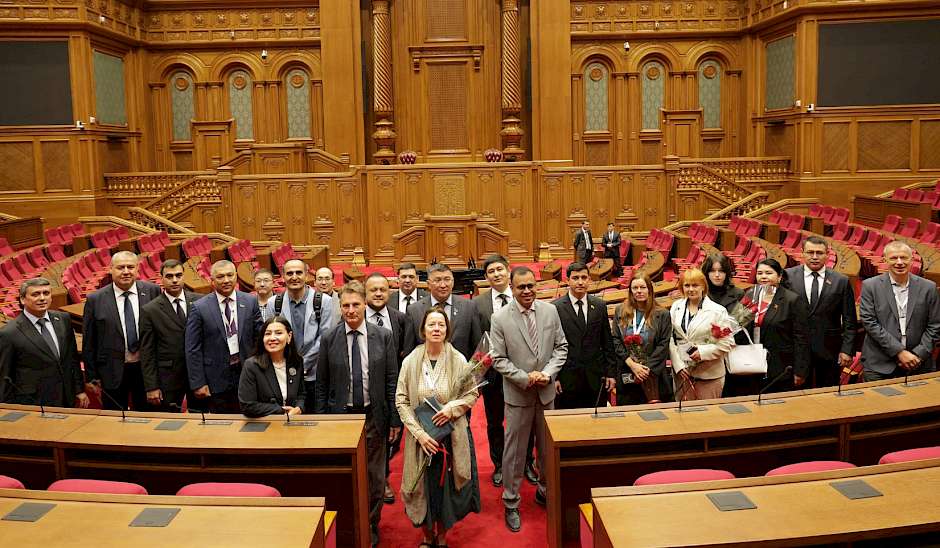
On 13 October, participants visited the Parliament of the Republic of Tajikistan. Exchanges on legislative processes reaffirmed the value of multilateral engagement and continued dialogue among parliamentarians on climate action and circular economy policy. The visit connected the Dialogue’s policy discussions with the institutions responsible for putting priorities into law.
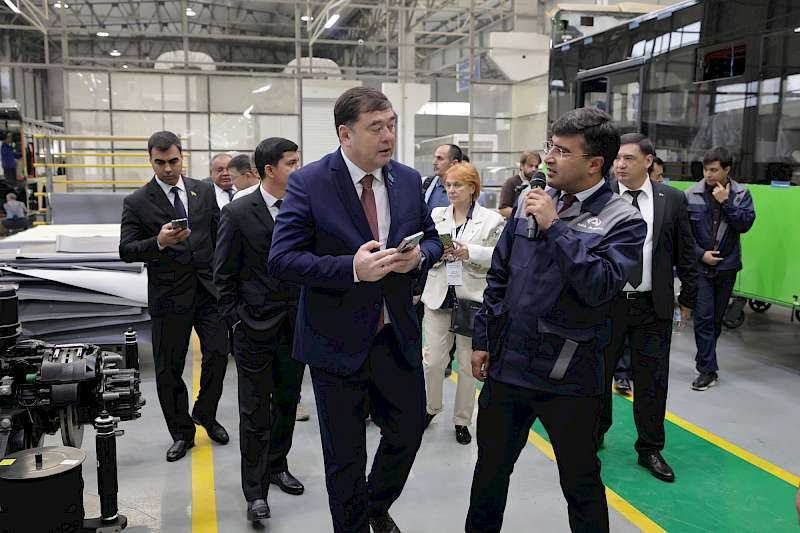
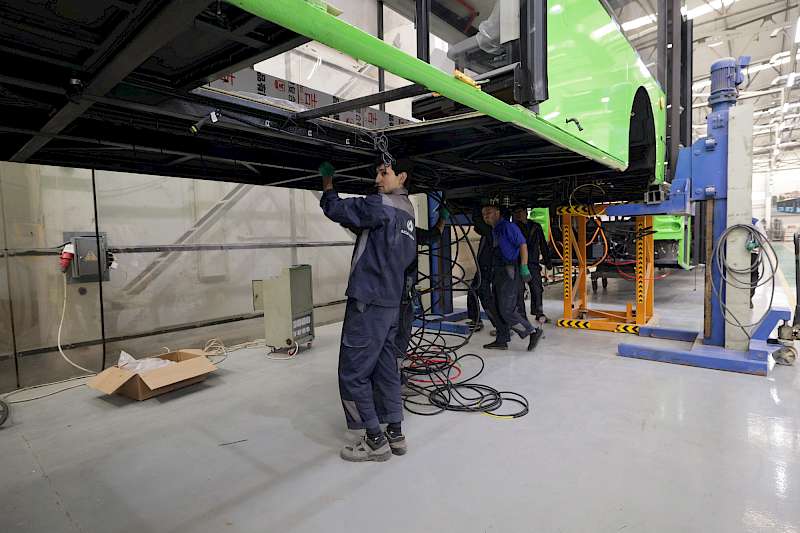
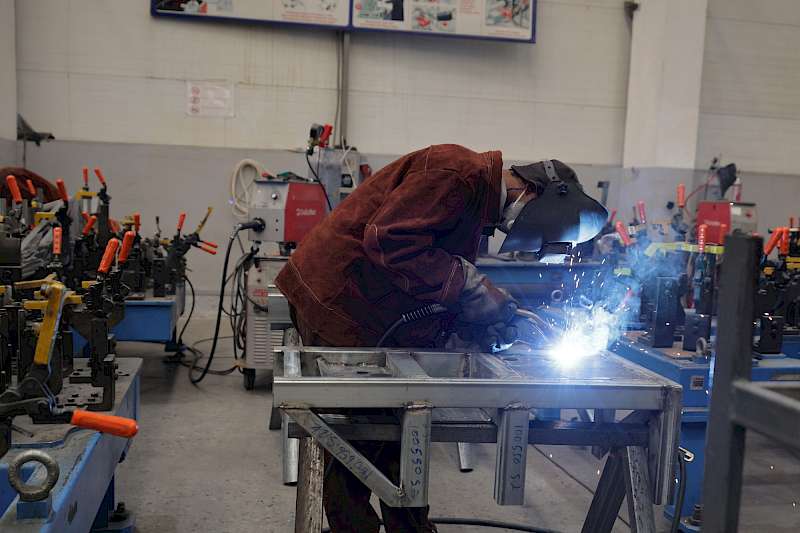
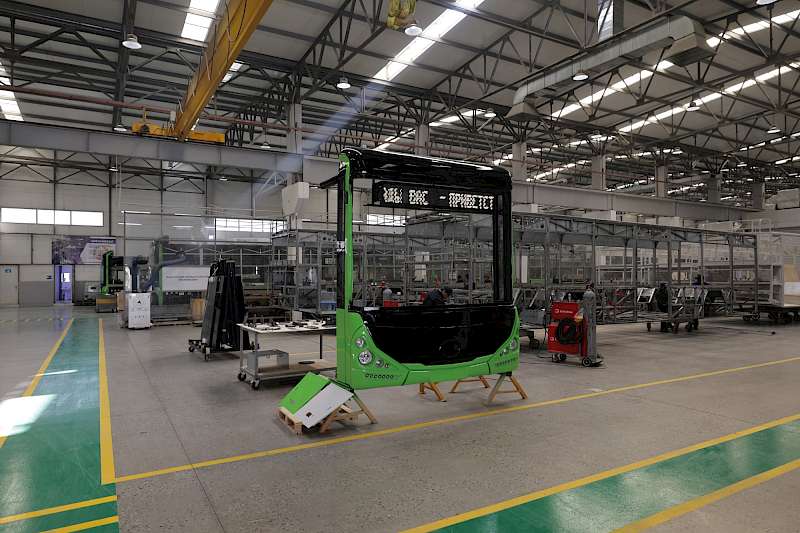
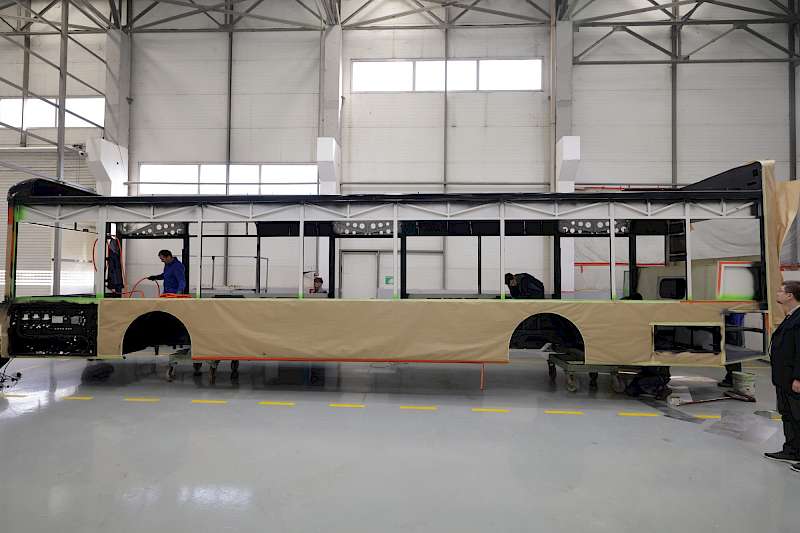
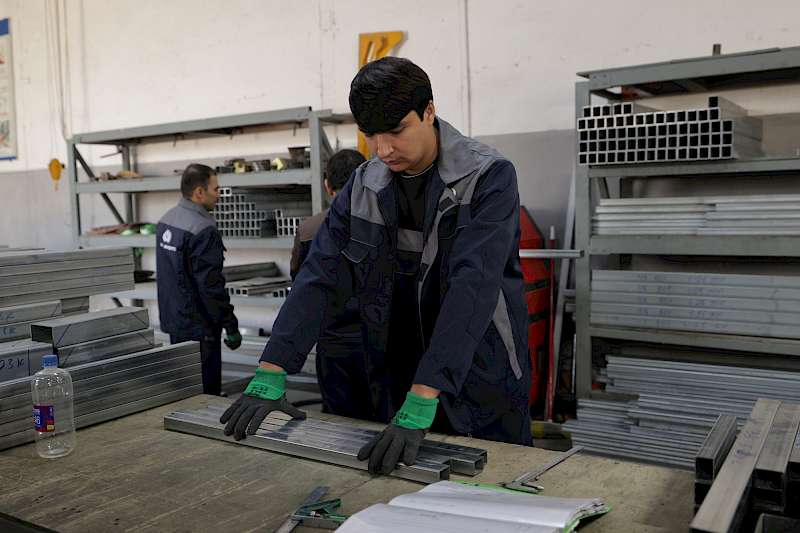
The study tour continued at Akia Avesto’s electric bus manufacturing facility. Participants observed a well-organised, largely manual metal fabrication and assembly operation combining locally manufactured bus bodies with imported components, including motors, batteries, electric drivetrains and energy-recovery systems. The visit demonstrated domestic industrial capabilities and the link between local manufacturing, cleaner transport and investment.
The factory visit also raised practical questions about scaling production: establishing sustained market demand, adapting buses to stop-and-go urban conditions and developing technical expertise and local manufacturing capacity. The two visits showed how legislative frameworks, industrial capabilities and finance need to advance together.
From Regional Dialogue to Coordinated Action
The Dialogue reaffirmed the importance of regional cooperation on resource efficiency, climate change, industrial competitiveness and access to finance. On Day 2, the Parliamentary Action Lab moved these discussions towards a set of country-level policy and investment priorities.
Across country tables, priorities included green public procurement in Tajikistan and the Kyrgyz Republic and mandatory green public procurement in Kazakhstan; green taxonomies already adopted in Tajikistan and existing in the Kyrgyz Republic, with Turkmenistan identifying the need to develop one; and fiscal incentives and state guarantees for circular projects and SMEs in Kazakhstan and Turkmenistan. Tajikistan and Kazakhstan prioritised scaling pilot projects, while Tajikistan also proposed a portfolio of investment-ready projects for financial institutions.
Parliamentarians, businesses and finance providers underlined the need to connect legislative action with enterprise needs and investment requirements. Their next task is to refine the regional Action Agenda and identify follow-up actions for the Central Asia parliamentary group under the Circular Economy Partnership Framework.
Through the EU SWITCH-Asia Programme, in cooperation with the Parliament of Tajikistan, CAREC, the EU Delegation and other partners, the process supports more effective policies, institutional capacity and partnerships for circular economy implementation.
The next phase will focus on taking country-table priorities forward through the regional Action Agenda, moving from pilot projects to scalable business models, building viable investment pipelines and sustaining interparliamentary cooperation.
Featured in the media
- Parliament of Tajikistan: https://egov.tj/site/parlament-tj/press/news/details/9446?lang=tg
- Asiaplus news: https://asiaplus.news/2026/10/12/salom-alejkum-tadzhikistan-anonsy-sobytij-den-v-istorii-prognoz-pogody-na-12-oktyabrya-2025-goda-2/