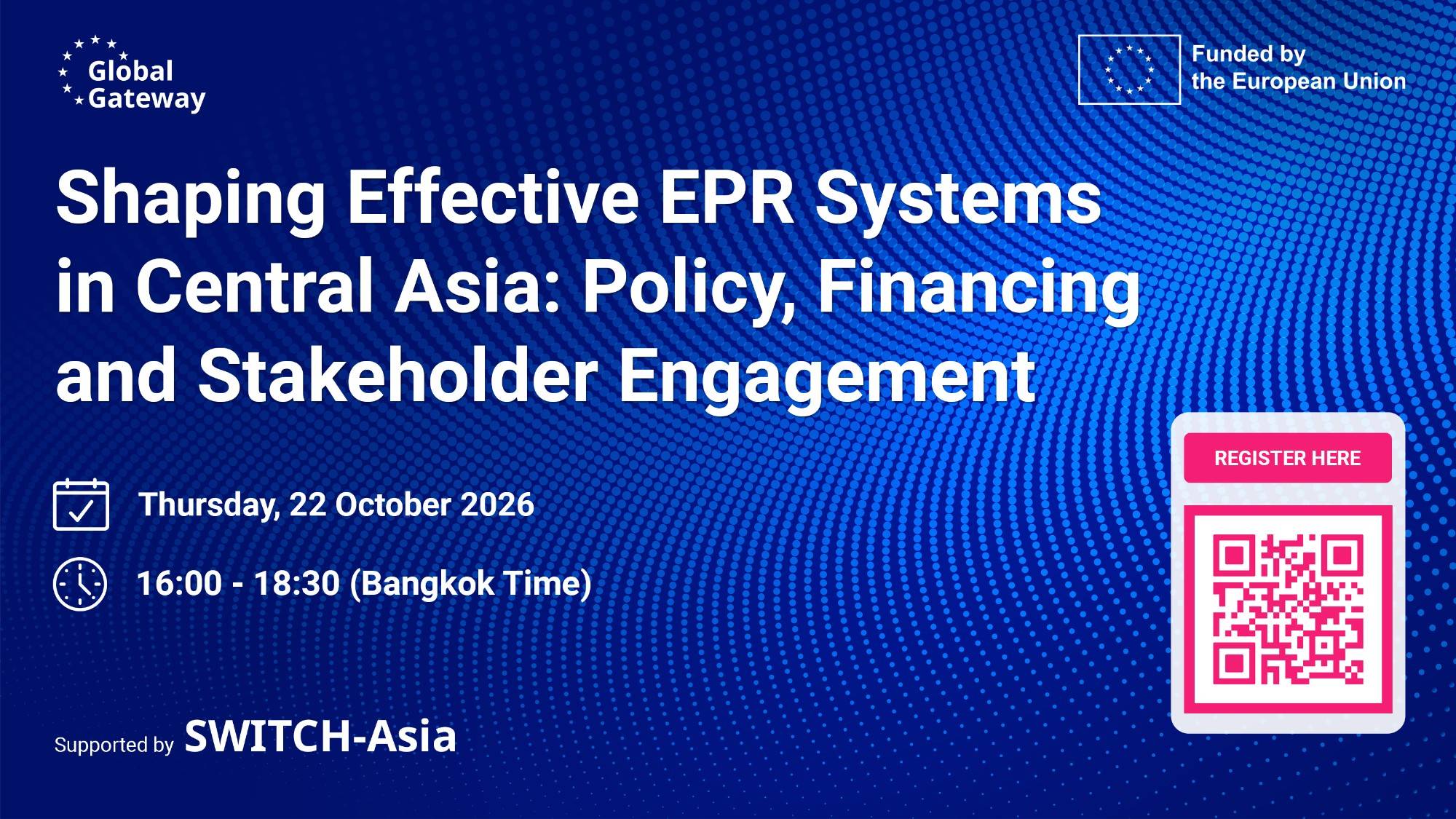
WHEN: 22 October 2026 I TIME: 16:00 - 18:30 (Bangkok Time) I Register HERE
Background
Extended Producer Responsibility (EPR) is an important policy instrument for reducing the environmental impacts of products throughout their life cycles and advancing the transition towards a circular economy. Since its introduction as a policy principle in 1990, EPR has expanded significantly worldwide. By shifting greater responsibility for post-consumer products and packaging towards producers, EPR can help improve waste collection and recycling, reduce material use, encourage more recyclable product design, and internalise environmental costs. More than 400 EPR systems now operate globally. Alongside well-established systems in the European Union, EPR approaches are advancing across Asia, including in India, Malaysia, the Philippines, Thailand and Viet Nam. In Central Asia, Kazakhstan and Uzbekistan have introduced EPR mechanisms, while other countries are developing approaches suited to their national contexts. As these systems evolve, important lessons are emerging around institutional responsibilities, priority waste streams, producer obligations, tariffs and financing, recycling incentives, infrastructure investment, public participation and inclusion of informal-sector actors.
About the SWITCH-Asia Technical Advisory
This Technical Advisory (TA), implemented under the EU SWITCH-Asia Policy Support Component, supports the development and strengthening of EPR systems as a tool for advancing circular economy and sustainable consumption and production in Central Asia.
It builds on Phase I, implemented in 2024–2025 across Kazakhstan, Malaysia, Pakistan, the Philippines and Thailand.
The Central Asia phase has focused on:
-
Capacity building and regional knowledge exchange, including five briefing reports and four webinars;
-
Targeted policy support to Kazakhstan, drawing on its longer-standing EPR experience;
-
Policy consultations with Central Asian countries based on national priorities and requests.
Webinar
This webinar will consolidate the results of the Technical Advisory and provide a platform for policymakers, experts and stakeholders to discuss how EPR systems can be strengthened across Central Asia.
Analytical work prepared by Thomas Lindhqvist, with support from the project team, will inform discussions on:
-
Alternative EPR models and institutional arrangements;
-
Tariffs and financing of EPR systems;
-
Waste inventories and priority materials;
-
Subsidies and incentives for recycling;
-
Public participation and political support.
Participants will also explore opportunities for future cooperation and advisory support from European EPR organisations and associations. The event will additionally present selected findings from a UNEP-supported assessment of EPR systems and their potential in Central Asia, contributing further evidence and regional perspectives to the discussion.
Through this exchange, the webinar aims to support the development of effective, financially sustainable and context-appropriate EPR systems across Central Asia.
Moderator
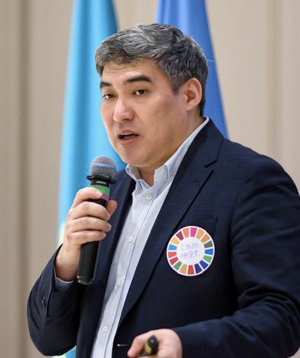
Yerbol Orazbekov, National Expert on EPR Reform Support in Central Asia, SWITCH-Asia Policy Support Component
Mr. Yerbol Orazbekov specializes in circular economy, sustainable development, climate change, and environmental management, with over 25 years of experience in national and international organizations.
Speakers
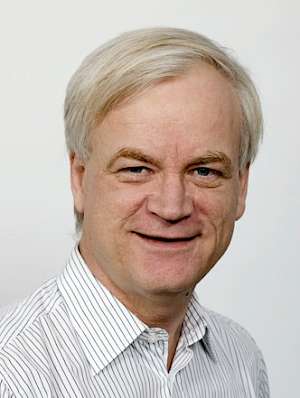
Thomas Lindhqvist, International Expert on EPR Reform Support in Central Asia, SWITCH-Asia Policy Support Component; Associate Professor at Lund University
A distinguished Swedish scientist, Dr. Lindhqvist is the author of the EPR concept. In his landmark 1990 report for the Swedish Ministry of the Environment, he first formulated the principle that producers are responsible for the entire life cycle of a product, including the disposal stage. His work has shifted the financial burden of recycling from taxpayers to businesses and is now the foundation of circular economy legislation in over 50 countries.
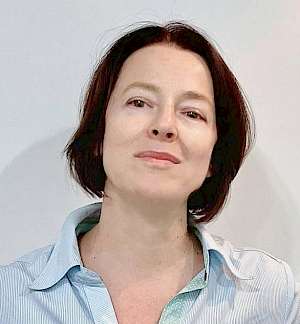
Zinaida Fadeeva, Team Leader, SWITCH-Asia Policy Support Component
Zinaida Fadeeva is the Team Leader of the Policy Support Component of the SWITCH-Asia Programme. Zinaida has over 25 years leading international professional experience in policy for and practice of sustainable consumption and production (SCP) and Education for Sustainable Development, amongst others working with the United Nations University Institute for the Advanced Studies of Sustainability (UNU-IAS). Her work has focused on diverse topics such as tourism, plastics, construction, small and medium enterprises, procurement and lifestyle. Zinaida has worked extensively with governments, private sector, international organisations and academia in East, South East, South and Central Asia.
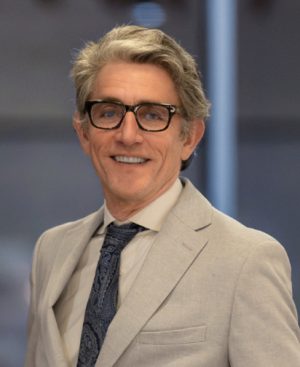 Pascal Leroy, Director General of the WEEE Forum
Pascal Leroy, Director General of the WEEE Forum since 2007, oversees the general management of the association. He has been involved in all manner of e-waste programmes, policies and projects for twenty years. Formerly he was Government Affairs Manager on WEEE at APPLiA, the European home appliance manufacturing industry association. He also worked for five years in the European Parliament, as well as for Hill and Knowlton, one of the world’s largest PR/PA firms.
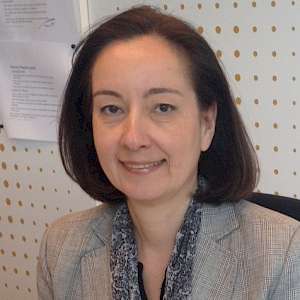 Monika Romenska, Regulatory & Public Affairs Manager at EXPRA (Extended Producer Responsibility Alliance)
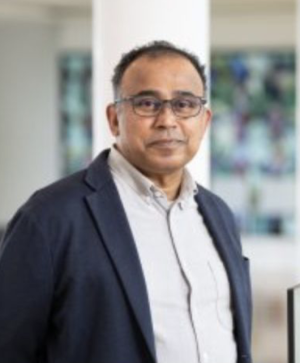 Premakumara Jagath Dickella Gamaralalage, Principal Researcher/ Director, IGES-CCET
Dr. Premakumara is a development planner, specialising in participatory environmental planning and sustainable urban development. He holds a PhD in Management Development from the Nihon Fukushi University, Japan in 2006. He has over 30 years’ experiences in working with academic, government, non-governmental, bilateral and international agencies. After serving as a postdoctoral fellow at the Meijo Asian Center, Meijo University, he started working for IGES, Kitakyushu Urban Centre in Japan in 2010.
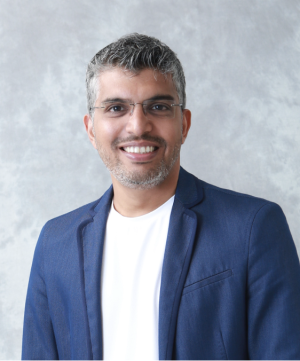 Harsha Vardhan, Director of Global Value Chain Development and Partnerships at Syre
Mr. Harsha Vardhan is a seasoned leader with over 25 years of experience in fashion sustainability. A pioneer in introducing sustainable materials and circularity to high street fashion, his expertise spans across the textile value chain, material innovations, sustainable sourcing, and climate impact. After spending more than two decades in various leadership roles at H&M Group, Harsha has joined Syre—a start-up founded by H&M Group and Vargas Holding, dedicated to decarbonising and eliminating textile waste at a large scale. He is currently based in Vietnam and is leading Syre’s Value Chain Development and global partnerships. Harsha has a bachelor's degree in Textile Technology from India and holds a master's degree from Lund University, Sweden.
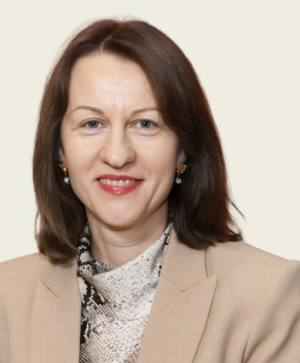 Alexandra Akkirman, Senior Director, Public Affairs, Communications and Sustainability, Coca-Cola Caucasus and Central Asia
Alexandra Akkirman, based in Kazakhstan, is currently a Senior Director, public affairs, communications and sustainability, Caucasus and Central Asia region at The Coca-Cola Company. She brings experience from previous roles at The Coca-Cola Company and Telia Company. Alexandra holds a Bradford University School of Management. With a robust skill set that includes Corporate Communications, Marketing Communications, Internal Communications, Marketing Management, Strategic Communications.
 Lucyl Staub, Textile Circularity and EPR Expert Circulearth
Circular Economy specialist with over 8 years of experience and a proven track record in the European textiles industry.
Agenda
|
Time |
Topic |
Speakers |
|
14:00 – 14:05 |
Moderator |
Yerbol Orazbekov, SWITCH-Asia PSC Expert |
|
14:05 – 14:10 |
Photo Session |
SWITCH-Asia Team |
|
14:10 – 14:20 |
Welcome Remarks |
Dr. Zinaida Fadeeva, SWITCH-Asia PSC Team Leader |
|
14:20 – 14:45 |
Panel session on textile waste management/recycling within the EPR system |
Lucyl Staub, Textile Circularity and EPR Expert Circulearth |
|
14:45 – 15:10 |
Harsha Vardhan, Director of Global Value Chain Development and Partnerships at Syre |
|
|
15:10 – 15:20 |
What matters for EPR systems in Central Asia from a business perspective |
Alexandra Akkirman, Senior Director, Public Affairs, Communications and Sustainability, Coca-Cola Caucasus and Central Asia |
|
15:20 – 15:30 |
Panel session: How EPR organizations can enhance their performance through cooperation with European professional associations. |
Pascal Leroy, Director General, WEEE Forum |
|
15:30 – 15:40 |
Monika Romenska, Regulatory & Public Affairs Manager at EXPRA (Extended Producer Responsibility Alliance) |
|
|
15:40 – 16:10 |
Presentation: Lessons learned from the SWITCH-Asia project on EPR implementation in Central Asia |
Dr. Thomas Lindhqvist, International Expert on EPR Reform Support in Central Asia, SWITCH-Asia PSC |
|
16:10 – 16:20 |
Assessment of Extended Producer Responsibility (EPR) Readiness/Capacity in Central Asian Countries (UNEP project) |
Premakumara Jagath Dickella Gamaralalage, Principal Researcher/ Director, IGES-CCET |
|
16:20 – 16:30 |
Concluding Remarks |
Moderator: Zinaida Fadeeva |