WHEN: 8 October 2026 I TIME: 13:00 - 14:30 (Fiji Time) I REGISTER Here
Background:
Across the Pacific, tourism is entering a pivotal phase in its transition towards a more sustainable, resilient and competitive future. As destinations seek to balance economic growth with environmental stewardship, cultural integrity and community wellbeing, sustainable consumption and production (SCP) and circular economy approaches are becoming increasingly important for creating long-term value while reducing pressure on natural resources. The challenge is no longer whether tourism should become more sustainable, but how governments, destinations and tourism businesses can translate sustainability commitments into everyday practice. This means finding practical ways to improve resource efficiency, reduce food waste, phase out single-use plastics, conserve water and energy, strengthen local procurement and value chains, extend the life of tourism assets and products, and support responsible destination management.
Across the region, many destinations are asking similar questions:
-
How do we translate sustainable consumption and production principles into practical action?
-
Where should we begin?
-
What governance arrangements best support sustainable tourism transformation?
-
How can tourism businesses progressively adopt more resource-efficient and circular practices?
-
What implementation pathways best reflect national circumstances while delivering lasting change?
The Sustainable Tourism Enhancement in the Pacific (STEP) Project, funded by the European Union under the SWITCH-Asia Programme and co-implemented by the Pacific Tourism Organisation (SPTO), was launched in August 2024. Phase II, which commenced in October 2025, provides tailored support to four demonstration countries — Fiji, Kiribati, Samoa and Vanuatu — to strengthen national approaches to sustainable tourism by adapting and implementing the Pacific Sustainable Tourism Standards in ways that reflect their tourism industries, governance arrangements and national development priorities. Rather than viewing the Pacific Sustainable Tourism Standards as an end in themselves, STEP positions them as a practical framework for advancing sustainable consumption and production and circular economy objectives across the tourism sector. The standards help governments and businesses embed sustainability into tourism policy, planning, destination management and business operations. In doing so, they support more efficient use of energy, water and materials, encourage waste reduction and circular resource use, strengthen local supply chains and contribute to more resilient tourism economies. The standards therefore provide a practical bridge between policy commitments and measurable action, helping translate sustainability ambitions into improved governance, stronger industry performance and continuous destination improvement.
Experience across the four demonstration countries confirms that there is no single pathway to implementation. National approaches differ according to institutional arrangements, tourism maturity and available resources, but the standards provide a common framework through which countries can progressively strengthen governance, build institutional capability, support industry improvement and accelerate SCP outcomes. Four interconnected implementation themes have emerged across the STEP Project. Together, they represent practical pathways for enabling tourism systems to transition towards more sustainable, resilient and circular models:
-
Policy and Governance: Establishing governance, legal and institutional arrangements that enable destinations to progressively transition towards more sustainable, resource-efficient and circular tourism systems.
-
Capacity and Learning Ecosystems: Building the knowledge, skills, partnerships and institutional capability needed to support governments, tourism businesses and stakeholders in implementing SCP and circular economy approaches.
-
Industry Improvement Pathways: Supporting tourism businesses to adopt more resource-efficient and circular practices through practical guidance, mentoring, technology, innovation and industry leadership.
-
Resourcing Models: Exploring sustainable financing and investment approaches that enable the long-term transition towards resilient, competitive and circular tourism economies.
To share these lessons, the EU SWITCH-Asia Policy Support Component and SPTO are delivering a four-part regional webinar series exploring national experiences, implementation pathways and practical approaches to embedding sustainable consumption and production into tourism development.
Webinar Series Objectives
The webinar series aims to:
-
Demonstrate how tourism standards can serve as practical implementation tools for accelerating SCP and circular economy outcomes across Pacific destinations.
-
Share experiences from the four STEP demonstration countries in adapting and implementing the Pacific Sustainable Tourism Standards to reflect national priorities and tourism contexts.
-
Explore how governance, policy, capacity development, financing and industry partnerships enable sustainable tourism transformation.
-
Showcase practical tools, resources and lessons that support governments and tourism stakeholders in improving resource efficiency, reducing waste, strengthening local value chains and embedding continuous sustainability improvement.
The series is designed as a regional learning exchange, bringing together governments, National Tourism Organisations, industry representatives and development partners to share experiences, discuss common implementation challenges and identify practical solutions that can be adapted across Pacific destinations. By strengthening regional collaboration and peer learning, the series aims to accelerate practical approaches that embed SCP and circular economy principles into tourism policy, governance and business practice, strengthening the resilience, competitiveness and long-term sustainability of Pacific tourism systems.
Building on the first two STEP webinars, which explored sustainability standards, policy frameworks and pathways towards more sustainable tourism development, this third webinar focuses on a critical enabler of change: capacity development.
The transition towards sustainable and circular tourism is not driven by standards and policies alone. While these frameworks provide direction and establish expectations, lasting change depends on the ability of tourism stakeholders to understand, adopt, implement and continuously improve sustainable business practices. Capacity development is therefore central to advancing SCP in tourism and translating policy ambitions into measurable action and impact. From an SCP and circular economy perspective, capacity development extends beyond technical training. It involves strengthening the knowledge, skills, leadership, partnerships, institutional systems and enabling environments needed to accelerate the transition towards more resource-efficient, resilient, inclusive and circular tourism models. This is particularly important in Pacific Island destinations, where tourism businesses, communities, industry associations, government agencies and training providers operate within diverse social, environmental and economic contexts.
Webinar 3:
The EU SWITCH-Asia Policy Support Component and SPTO are convening the third webinar: Empowering Change: The Role of Capacity Development in Sustainable and Circular Tourism Across the Pacific. The webinar will examine how targeted, practical and locally relevant capacity development initiatives can support tourism stakeholders at all levels to integrate sustainability and circular economy principles into everyday decision-making and operations. It will highlight collaborative approaches that strengthen industry readiness, improve sustainability performance, build workforce capability and empower communities to participate actively in tourism development. Speakers will share experiences from across the Pacific, including Samoa’s efforts to align tourism standards with industry training and workforce development; Fiji’s industry-focused approach to supporting businesses through evolving sustainability requirements, legislative and policy reforms; Vanuatu’s experience delivering demand-driven tourism skills development in partnership with government and industry; and Kiribati’s work engaging communities through the Mauri Way and community-centred destination stewardship initiatives. Together, these experiences will demonstrate how governments, industry bodies, training institutions, National Tourism Organisations, development partners and local communities can work collectively to build the human and institutional capacity and systems required to advance SCP, strengthen resilience and accelerate the transition towards a more sustainable and circular tourism economy across the Pacific.
This session will:
-
Explore the role of capacity development as a key enabler of SCP and circular economy approaches within the tourism sector.
-
Examine how tourism destinations can build the knowledge, skills, systems and leadership required to translate sustainability commitments, standards and policies into meaningful action.
-
Identify practical approaches to developing tourism capability that respond to varying levels of readiness, resources and institutional capacity across Pacific Island destinations and enterprises.
-
Discuss how standards, accreditation programmes and quality assurance frameworks can support industry capability, improve sustainability performance and encourage continuous improvement.
-
Highlight collaborative models bringing together government agencies, industry associations, training providers, communities and development partners to strengthen workforce development and support long-term systems change.
-
Share lessons and emerging good practices from across the Pacific that can help scale sustainable and circular tourism solutions through partnerships, knowledge sharing and peer learning.
Moderator
 Penny Spoelder, Tourism Specialist for SWITCH-Asia Policy Support Component
Speakers

Chris Cocker, SPTO CEO

Erik Lindebo, Team Leader, Climate Adaptation, Water and Environment, EU Delegation to the Pacific
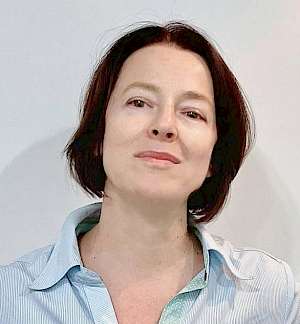
Dr Zinaida Fadeeva, Team Leader, SWITCH-Asia Policy Support Component
 Christina Leala-Gale, Sustainable Tourism Manager, SPTO
 Malaefono Sheena Ng Lam‑Stowers, Samoa Tourism Authority (STA)
 Beebe O’Connor, Tourism Authority of Kiribati (Community Awareness and Engagement)
 Erinah Kalo Malres, Vanuatu Skills Partnership (VSA)
 Litia Mario, Fiji Hotel and Tourism Association (FHTA)
Agenda
|
8 October 2026 I 13:00 - 14:30 (Fiji Time) |
|
|
13:00 |
Opening
|
|
13:10 |
Overview
|
|
13:15 |
Learning Exchange Panel: Experiences of the Pacific Moderated by Penny Spoelder, Tourism Specialist for SWITCH-Asia Policy Support Component Fiji story: From standards to business capability to continuous improvement
Samoa story: From Circular Economy requirements to workforce competencies to a sustained learning system
Vanuatu story: From practical Circular Economy challenges to capability demand to responsive training provision
Kiribati story: From community awareness to agency and capability to local circular value creation
|
|
14:00 |
Q&A |
|
14:15 |
Concluding Remarks and Next Steps
|